

Bird-Watching Guide: Raptors of Tsuruoka, Yamagata prefecture
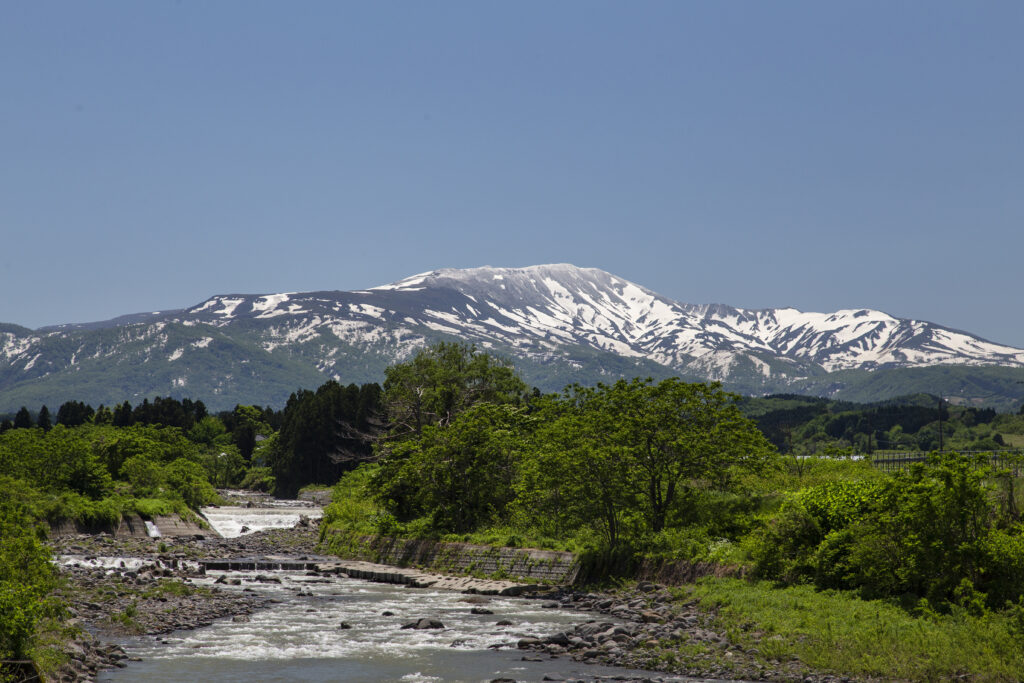
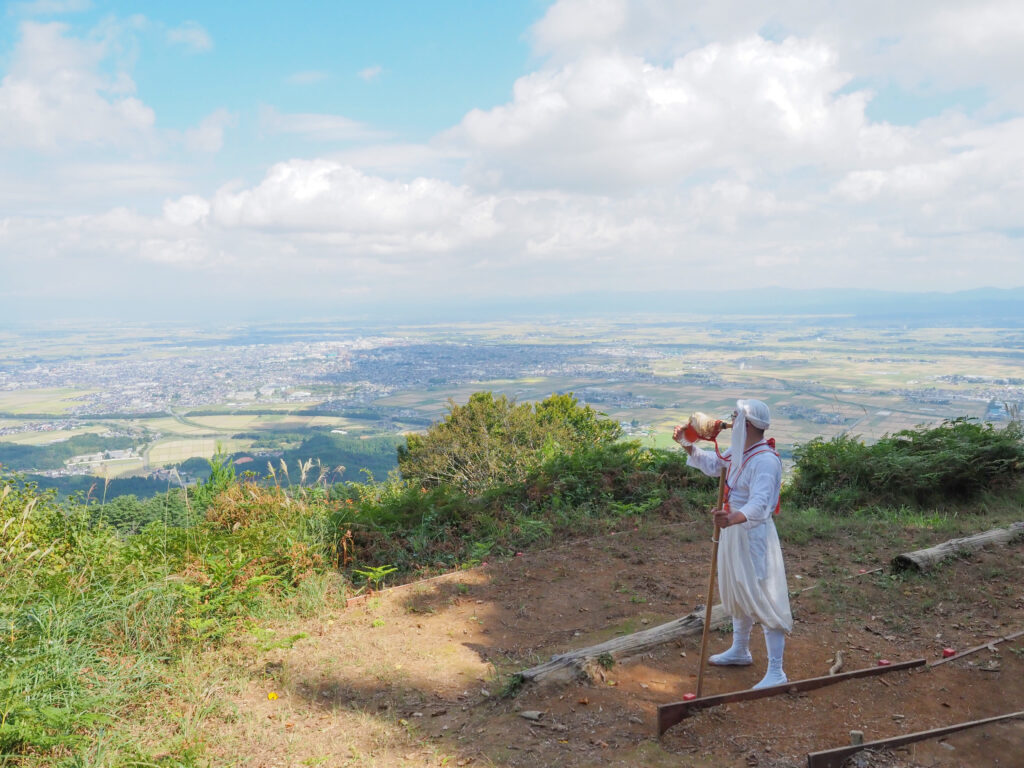
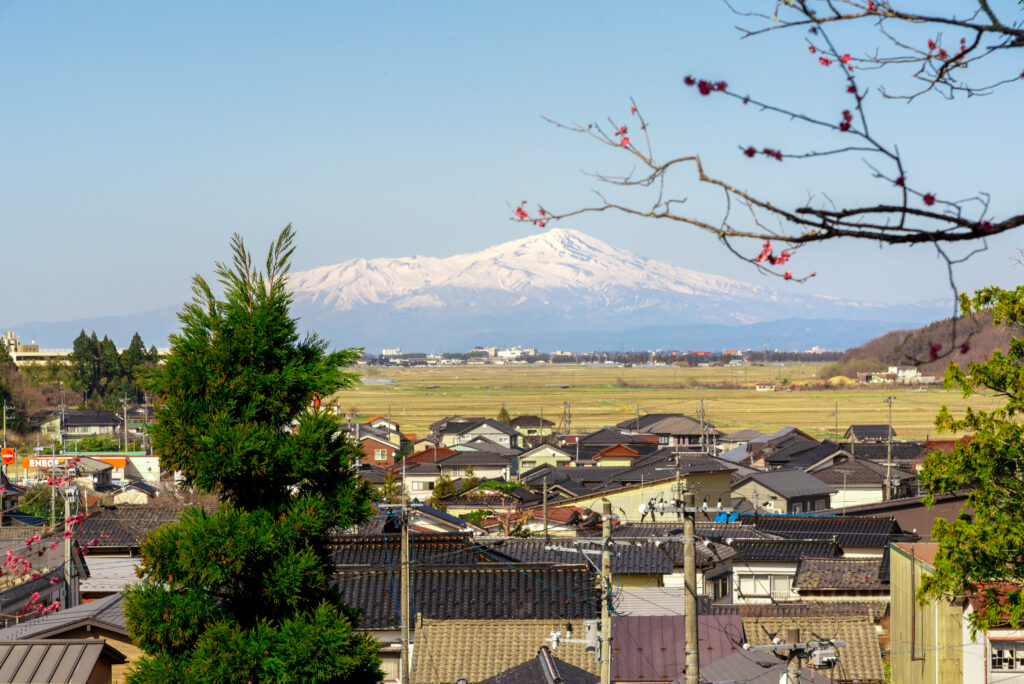
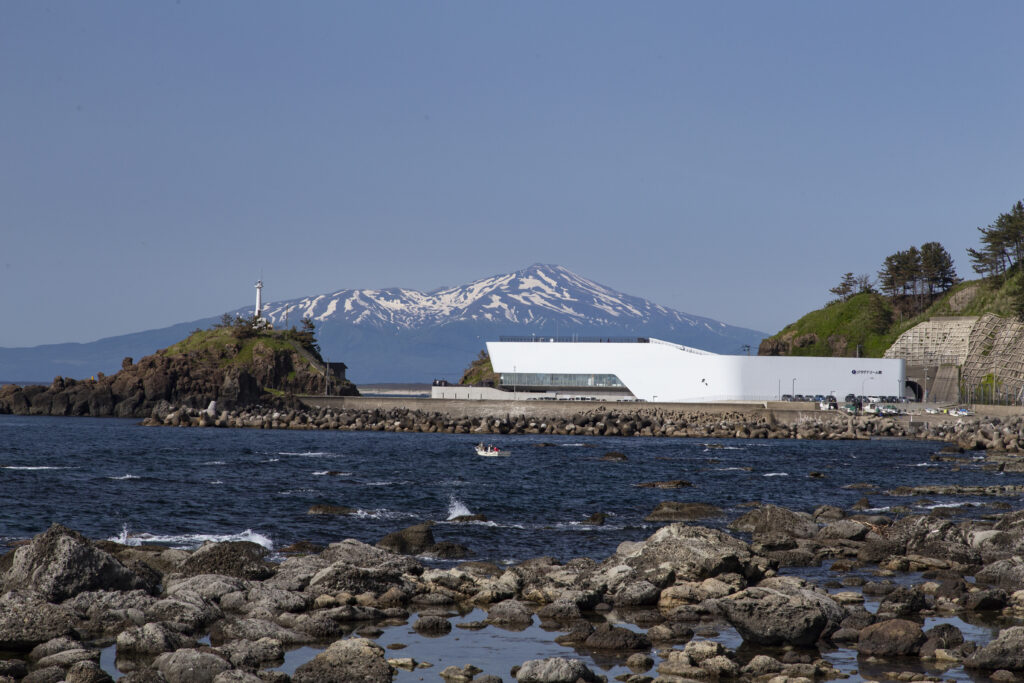
As the municipality with the largest surface in the Tohoku region, Tsuruoka boasts an extraordinary diversity of natural environments. The city stretches from the sacred peaks of Dewa Sanzan to the fertile Shonai Plain, encompasses vast forests and mountain valleys, and extends all the way to the Sea of Japan.
This remarkable variety of habitats makes Tsuruoka one of the best places in northern Japan to observe birds of prey. Forests provide nesting grounds for eagles, hawks and owls, while rice fields attract rodents that sustain numerous raptor species. Wetlands and coastal areas offer feeding opportunities for fish-eating birds such as the Osprey.
More than 20 species of raptors have been recorded in the region, including resident species that can be observed year-round as well as migratory visitors arriving in summer or winter.
Resident Raptors
Black Kite (Tobi)
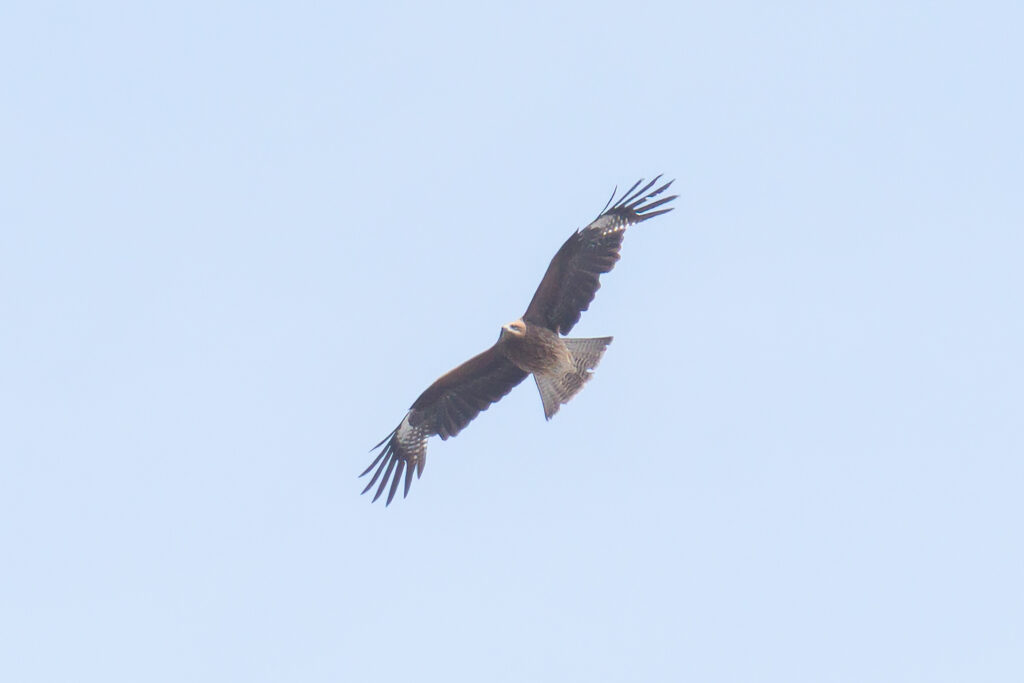
The most familiar raptor in Tsuruoka. Easily observed even from the city centre, particularly around Tsuruoka Park during cherry blossom season or along the Akagawa River, fighting with other birds for territory.
Northern Goshawk (Ootaka) – Near Threatened (NT)
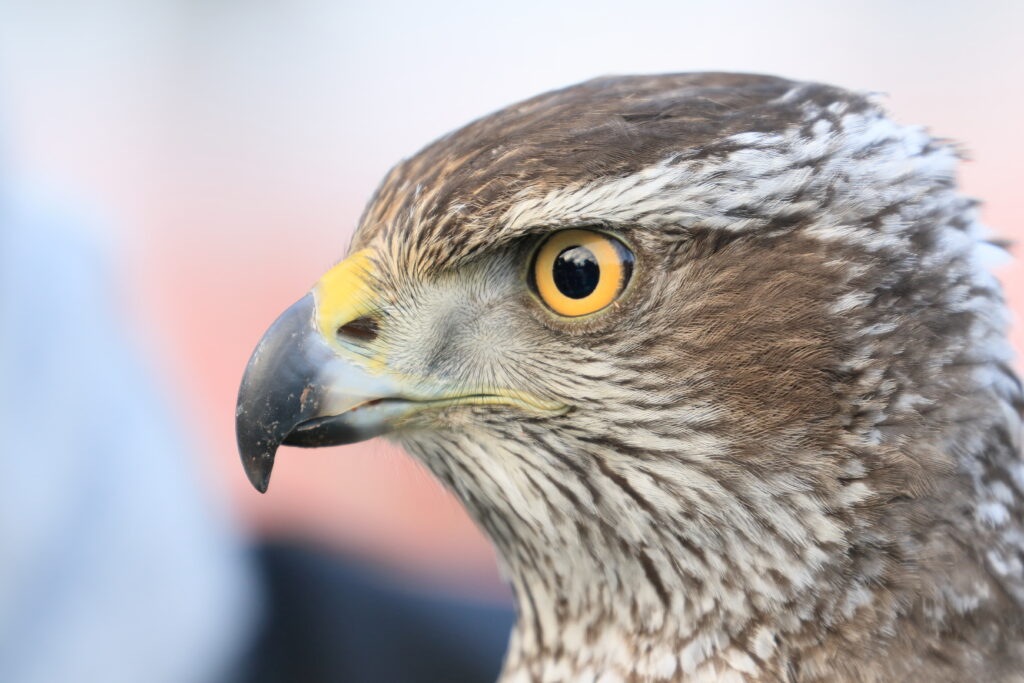
A powerful forest hunter found around the Chokai mountain area and mature woodlands throughout the region.
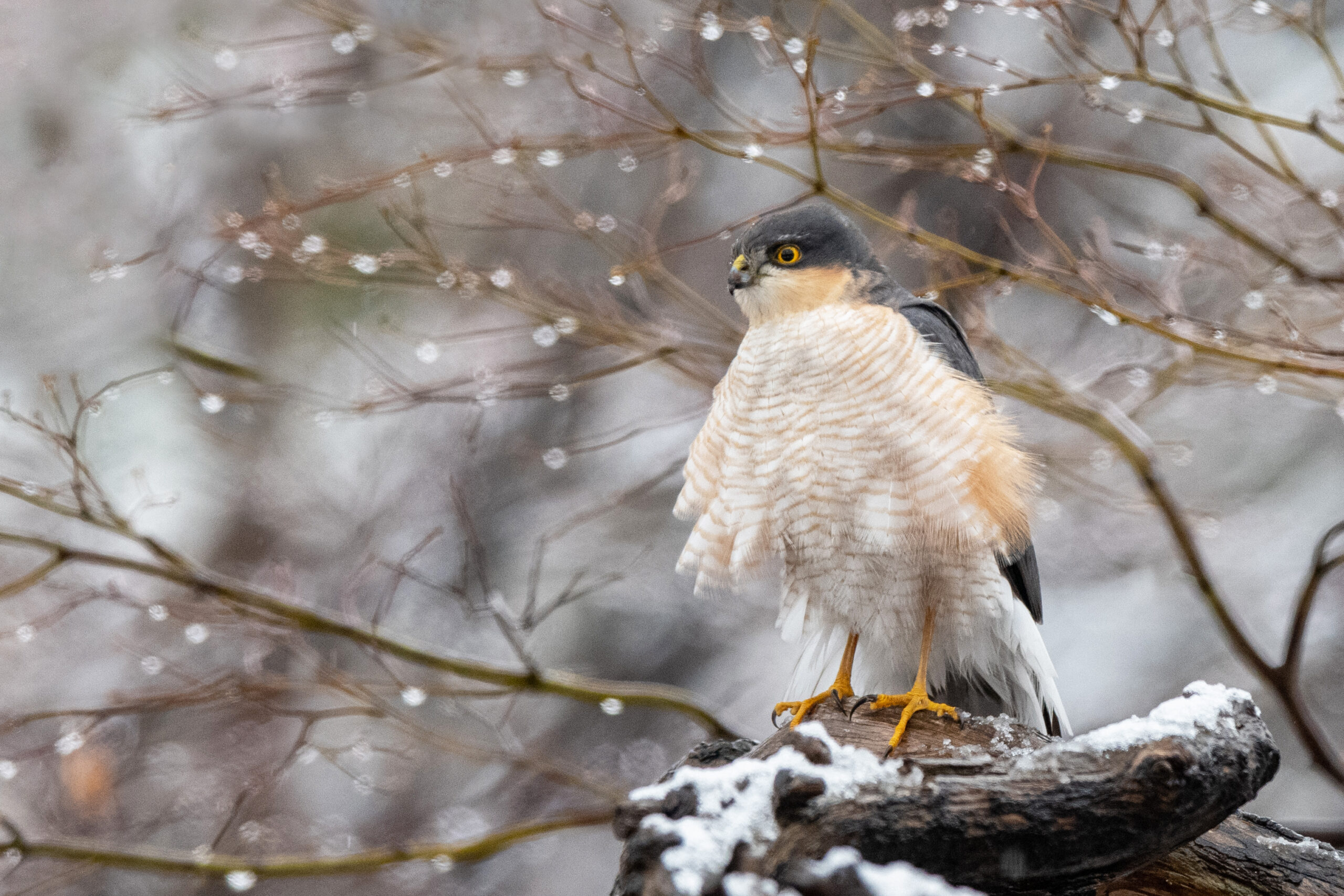
Eurasian Sparrowhawk (Haitaka) – Near Threatened (NT)
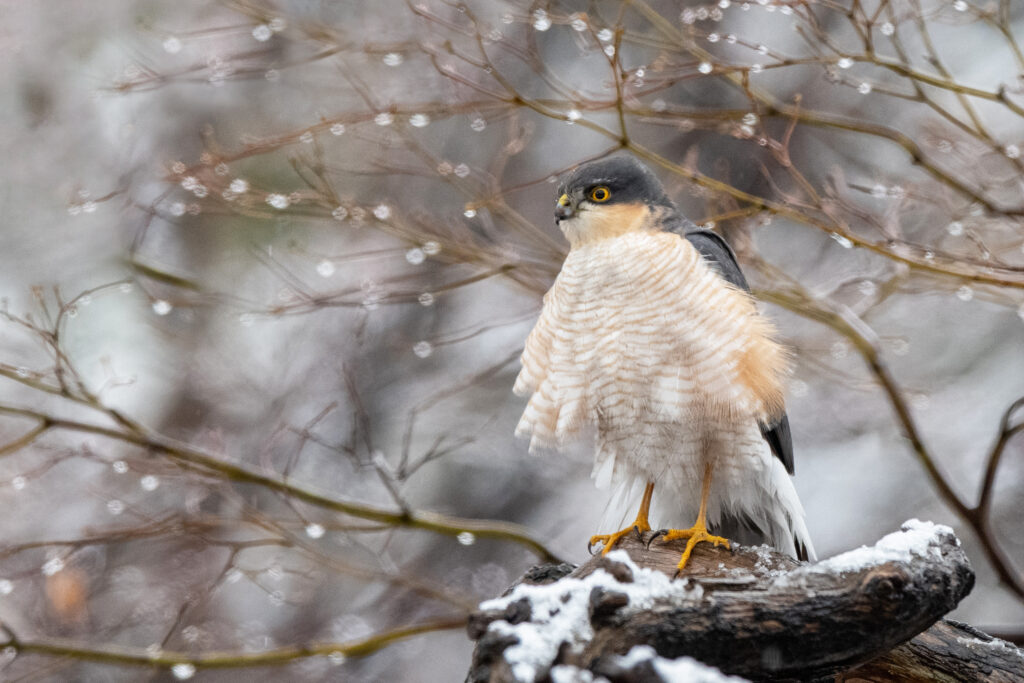
A smaller relative of the goshawk, often observed hunting songbirds along forest edges.
Peregrine Falcon (Hayabusa) – Vulnerable (VU)
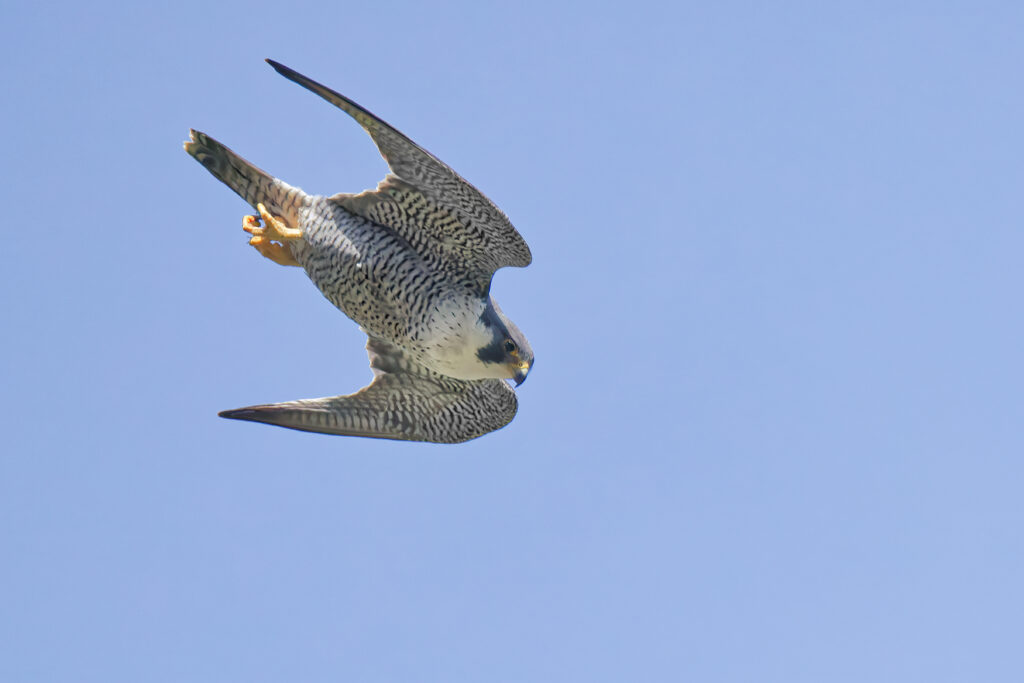
The fastest bird on Earth. Known to occur around Mount Takadate, the Ramsar wetlands of Kamiike and Shimoike, the Asahi region, and near Mount Yudono.
Common Buzzard (Nosuri)
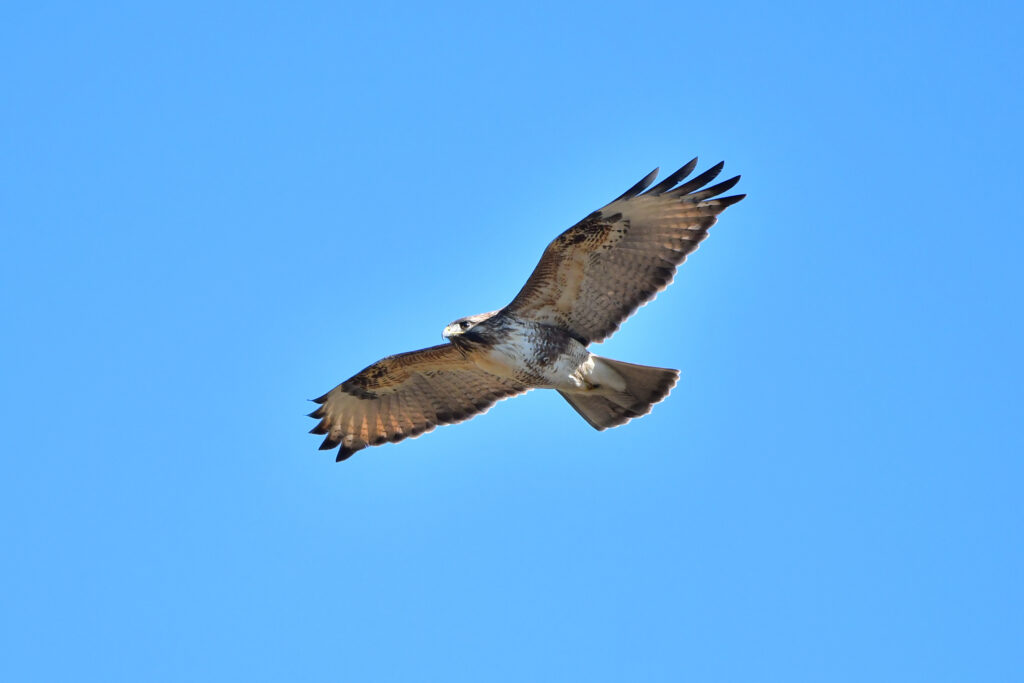
Frequently observed soaring above agricultural landscapes in the Kushibiki and Asahi areas.
Mountain Hawk-Eagle (Kumataka) – Endangered (EN)
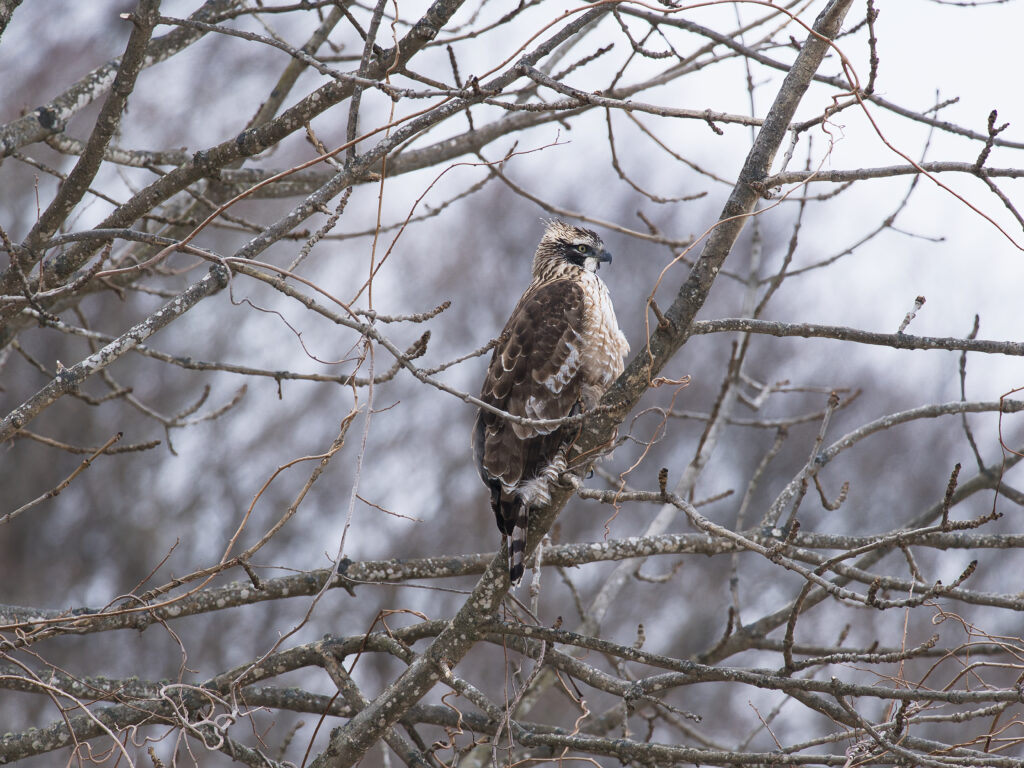
One of Japan’s most iconic mountain raptors. This elusive eagle inhabits the forests surrounding Mount Yudono, Mount Takadate and the Asahi region.
Golden Eagle (Inuwashi) – Endangered (EN)
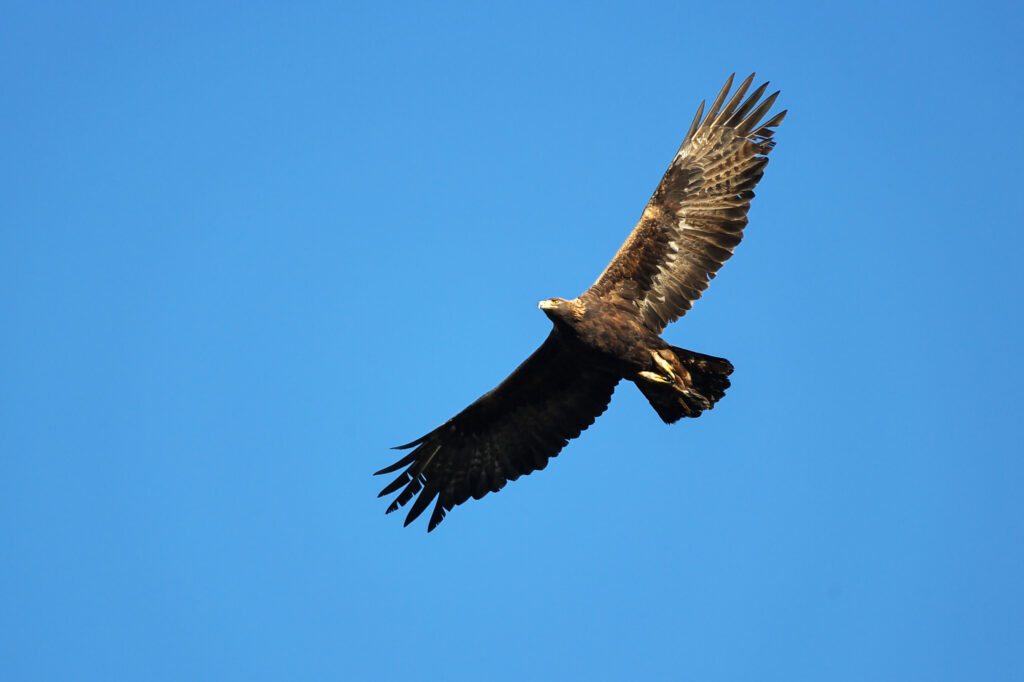
A symbol of Japan’s wilderness, found in remote mountain areas around Mount Gassan and Mount Yudono.
Osprey (Misago) – Near Threatened (NT)
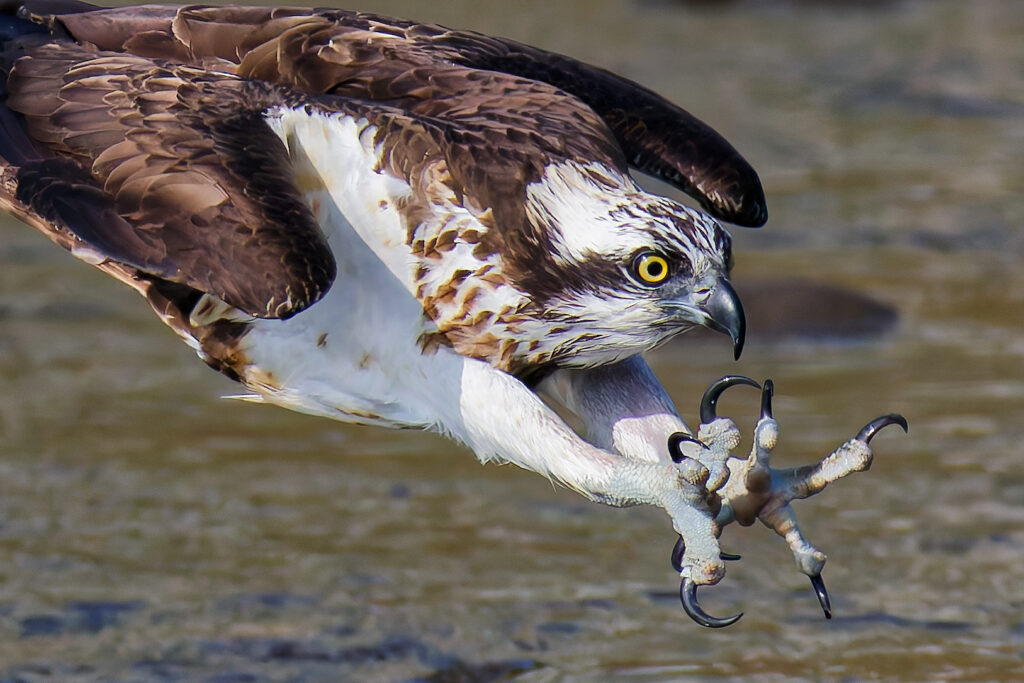
A spectacular fish-eating raptor regularly observed around Kamiike, Shimoike and coastal areas.
Northern boobook (Aobazuku)
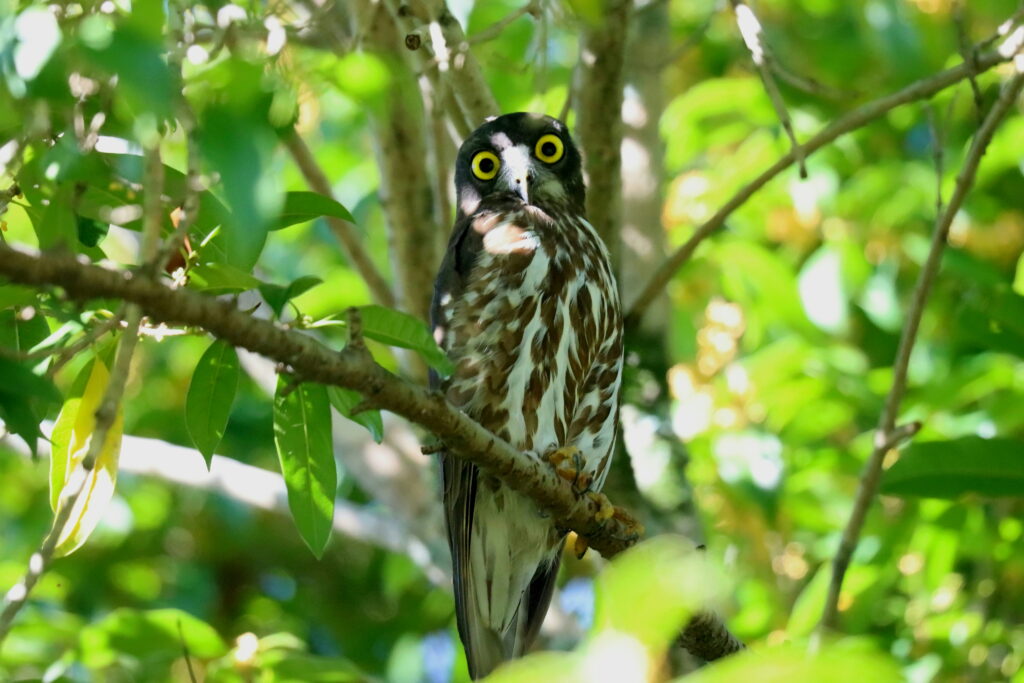
A summer-night favourite around Mount Haguro and the forests of the Rokujurigoe Kaido.
Long-eared Owl (Torafuzuku)
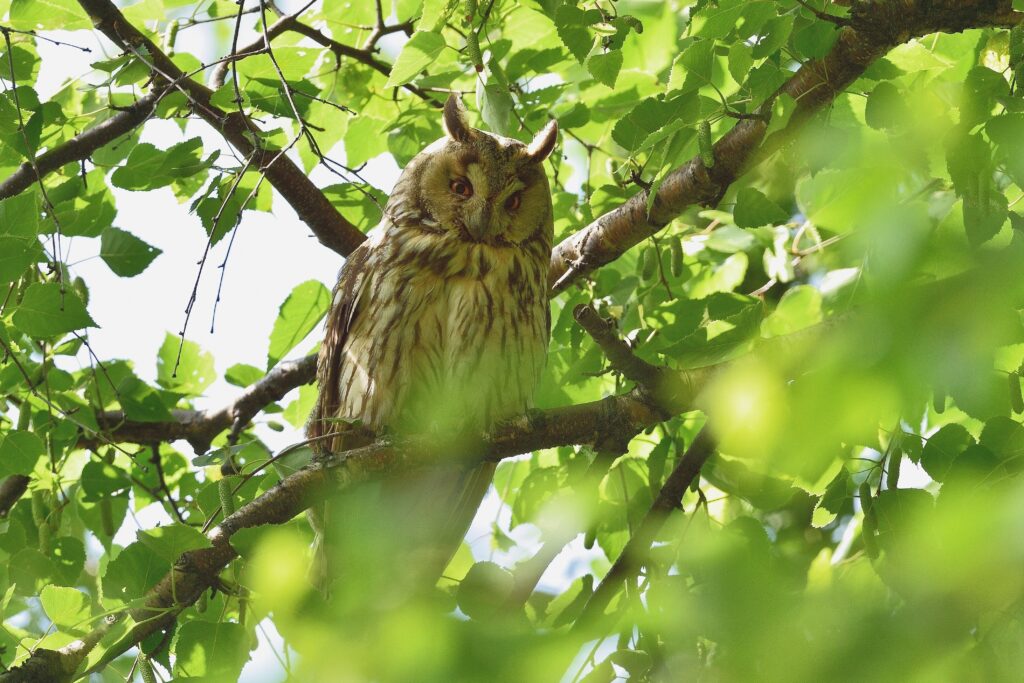
Occasionally observed in wooded areas around Haguro and the Rokujurigoe Kaido. Has also been spotted in the Tsuruoka Tenmangu shrine.
Summer Migrants
Grey-faced Buzzard (Sashiba) – Vulnerable (VU)
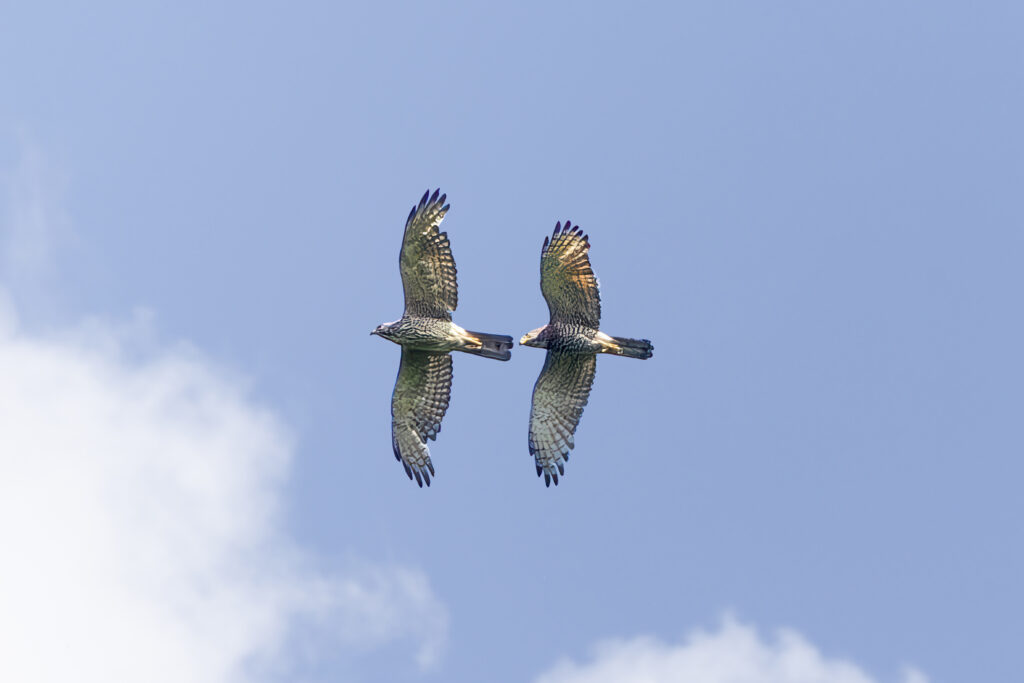
A migratory species associated with traditional satoyama landscapes rich in reptiles and amphibians. It can be observed around Mount Yudono and the Rokujurigoe Kaido.
Oriental Honey Buzzard (Hachikuma) – Near Threatened (NT)
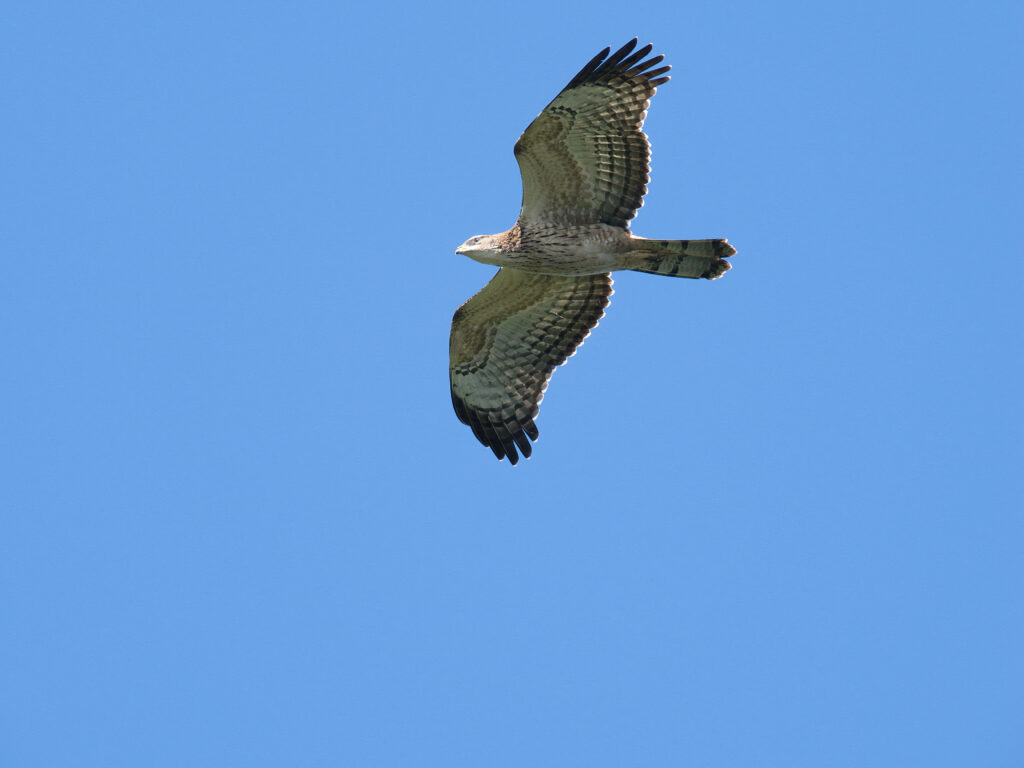
A remarkable migratory raptor that specialises in feeding on wasp larvae. Most likely to be encountered around the Chokai mountain area.
Eurasian Hobby (Chigohayabusa)
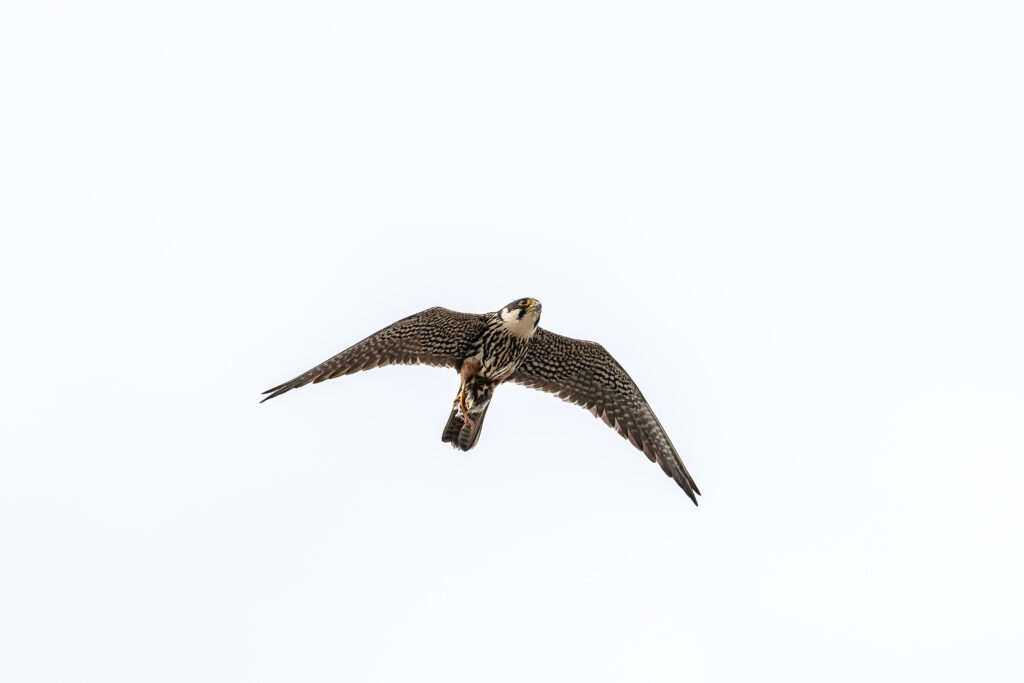
A small and agile falcon that hunts dragonflies and small birds in flight.
Winter Visitors
Merlin (Kochogenbou)
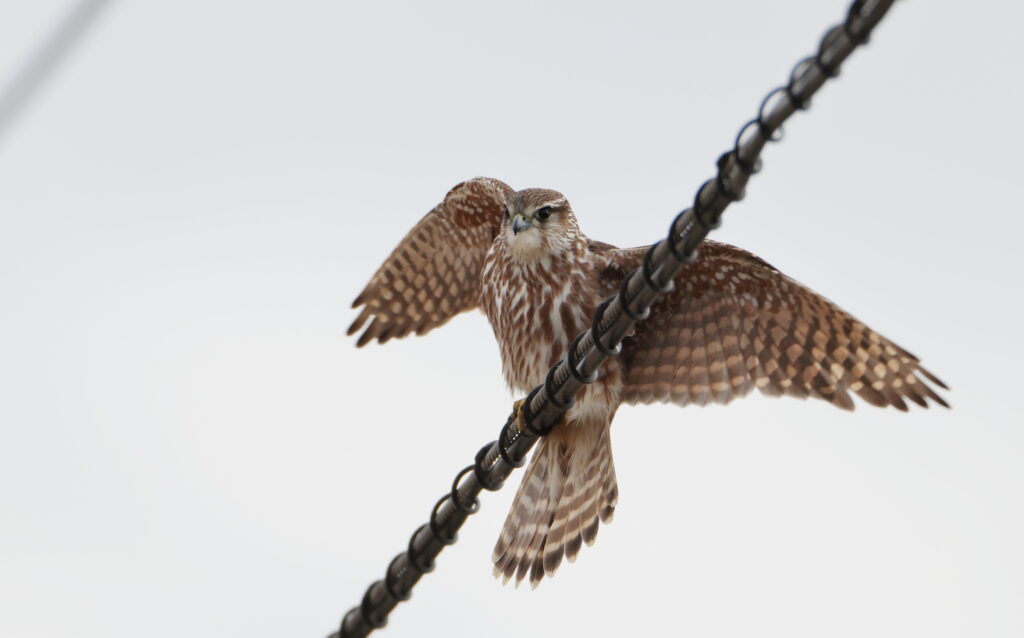
A small falcon arriving during the colder months.
Steller’s Sea Eagle (Oowashi) – Vulnerable (VU)
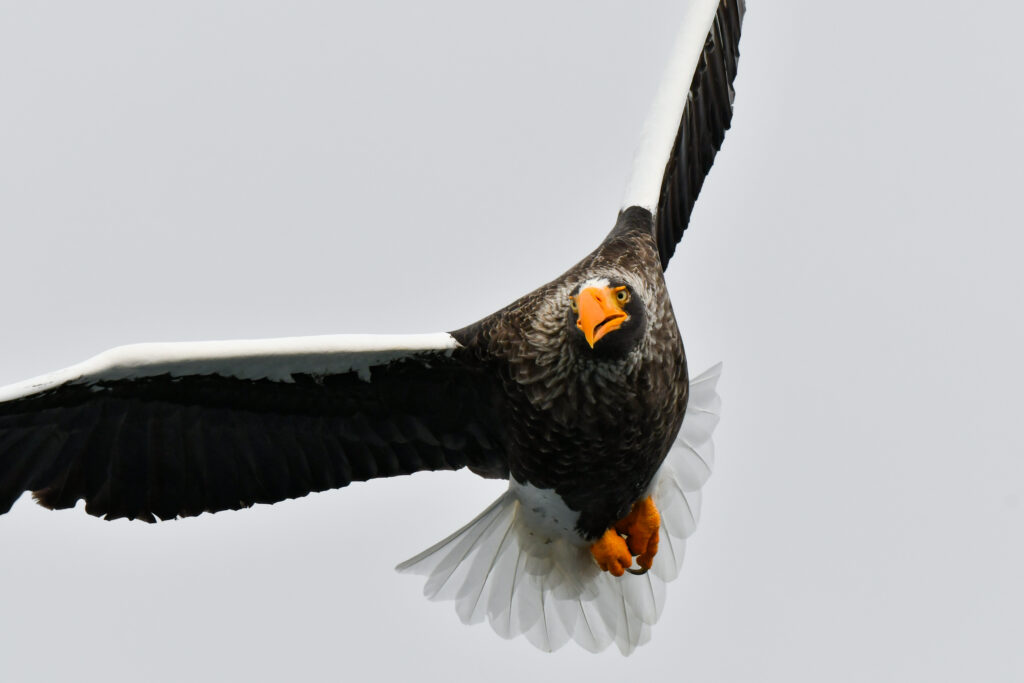
One of the largest birds of prey in the world, occasionally observed around the Ramsar wetlands of Oyama.
White-tailed Eagle (Ojirowashi) – Endangered (EN)
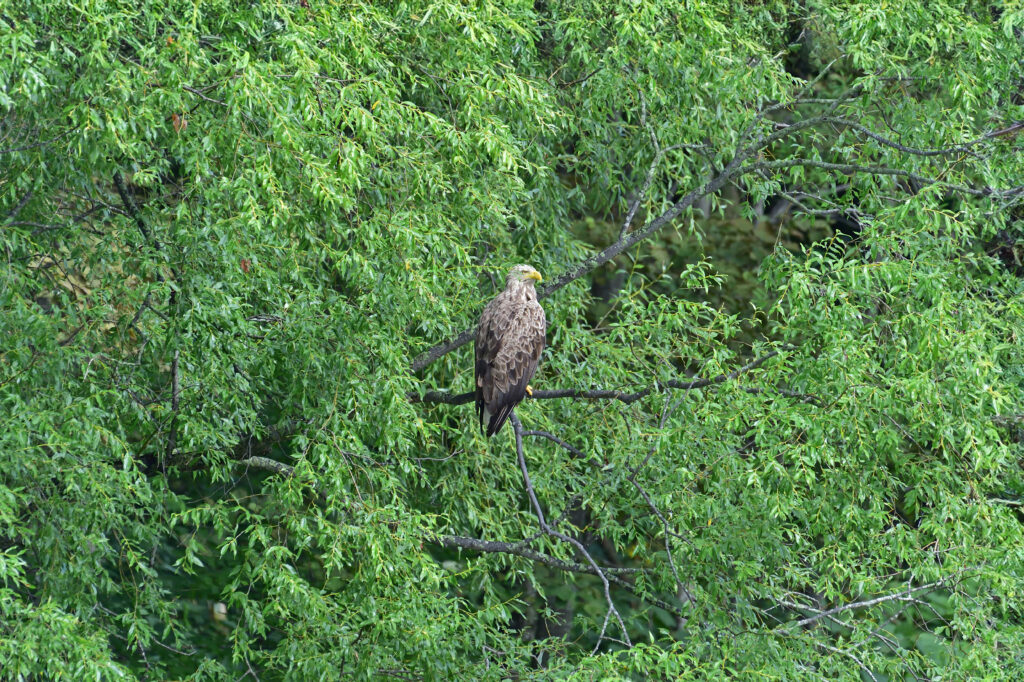
A majestic winter visitor from northern regions, regularly recorded around Kamiike and Shimoike.
Best Places for Raptor Watching
Mount Takadate and the Ramsar Wetlands of Oyama (viewpoint here)
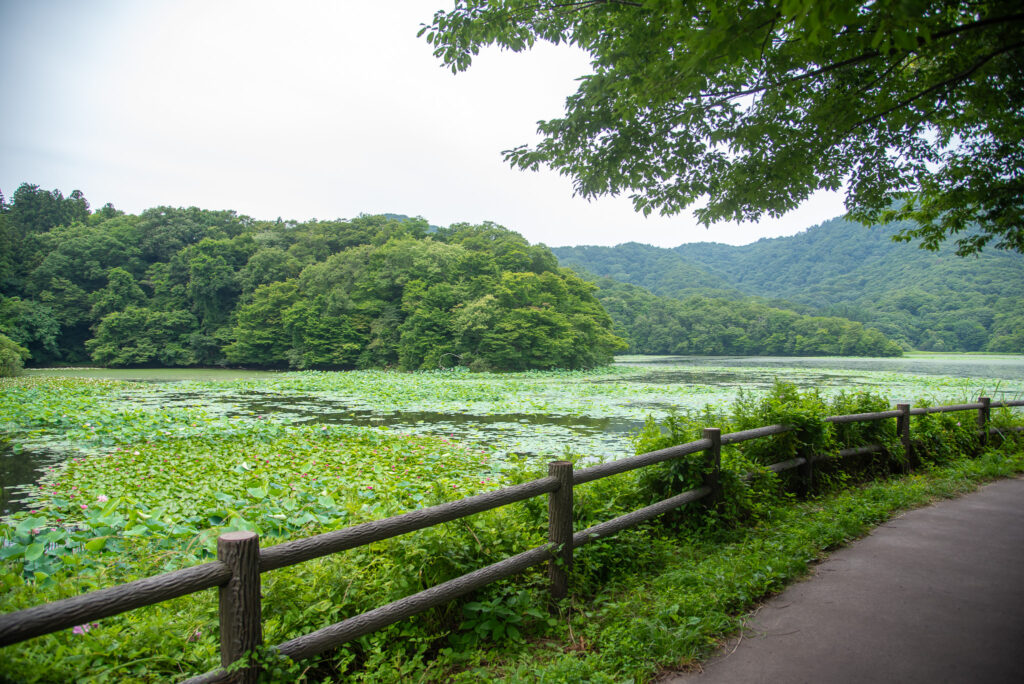
The wetlands of Kamiike and Shimoike are among the most important birdwatching locations in northern Japan.
- Oura Bird Lover Center (Oura Aichokan) & Hotoria Visitor Center (viewpoint here)
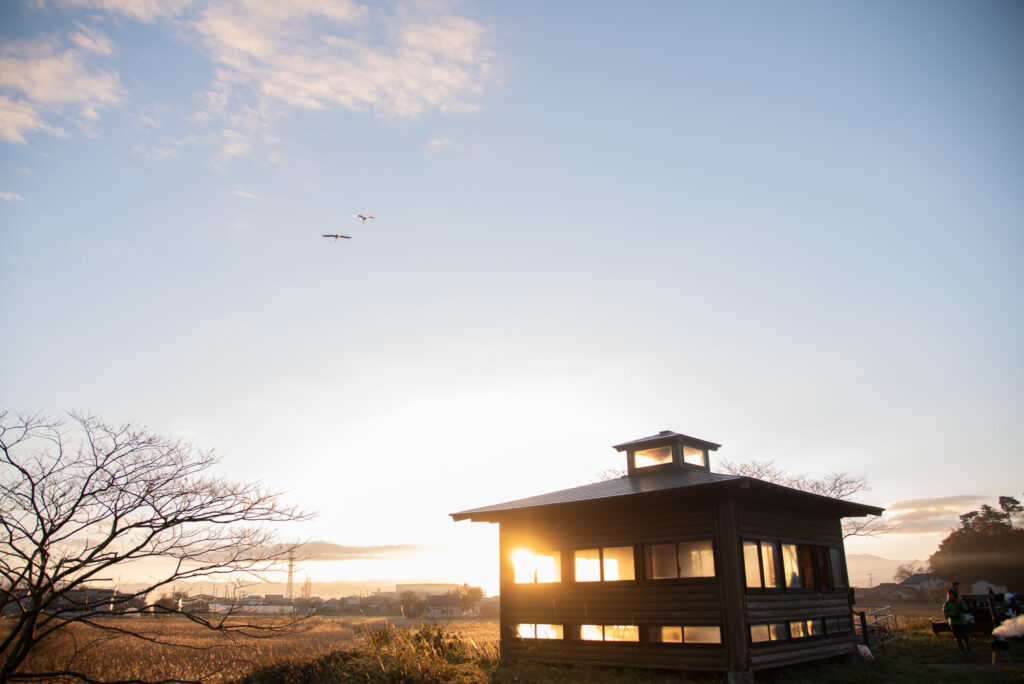
These facilities provide excellent opportunities to observe wintering eagles, Ospreys and migratory birds.
For other things to do & see in Oyama suburb, please read our article here.
The Rokujurigoe Kaido
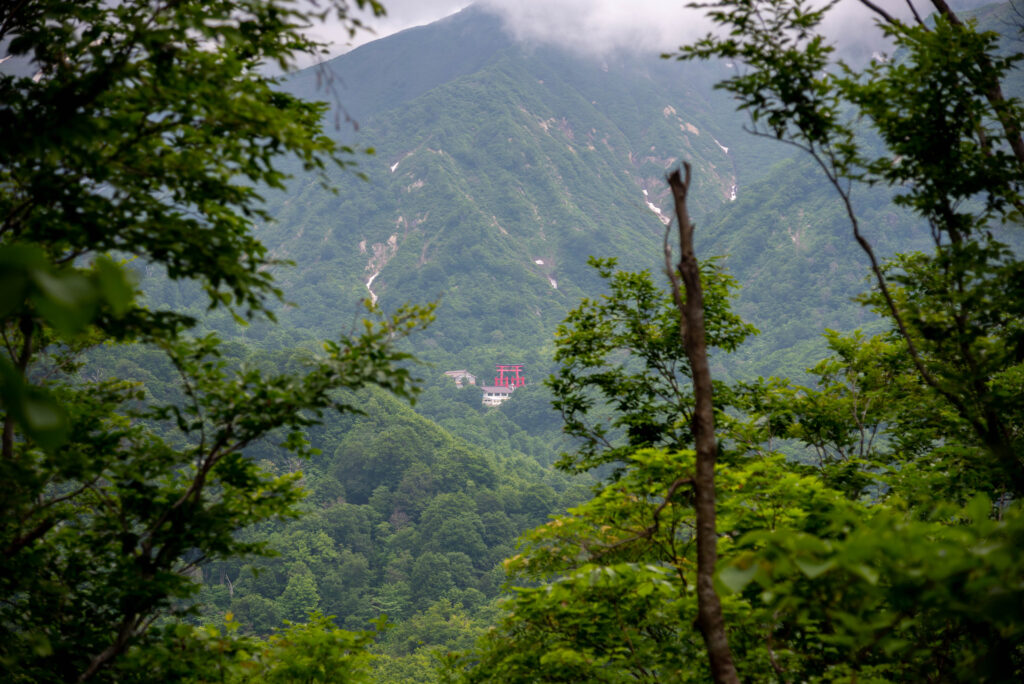
The historic Rokujurigoe Kaido pilgrimage trail offers numerous elevated viewpoints overlooking the forests of the Asahi region.
Recommended observation areas include:
- Oami Village (viewpoint here)
- Tamugimata Village (viewpoint here)
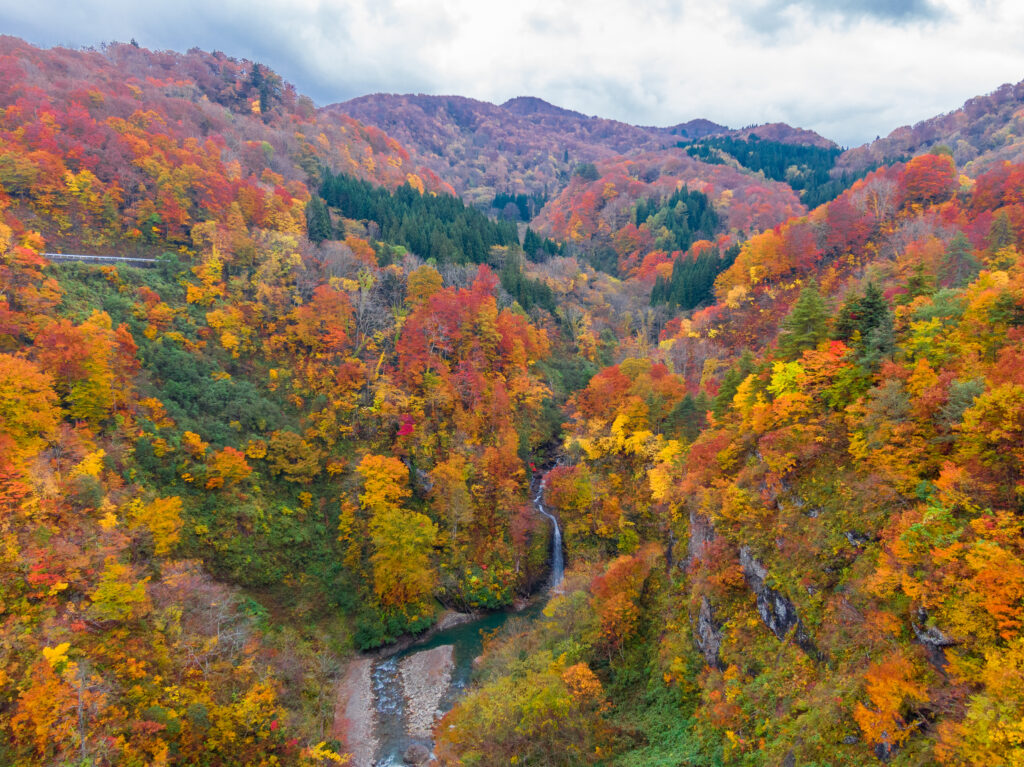
These mountain landscapes provide excellent habitat for Mountain Hawk-Eagles, Golden Eagles and Grey-faced Buzzards.
For infos about how to hike the Rokujurigoe Kaido and plan a trip, please go to the official website: www.rokujurigoekaido.com
Around Mount Chokai (Yuza town, Sakata city)
Ministry of Environment’s Raptor Protection Center “Chokai Inuwashi Mirai Center”
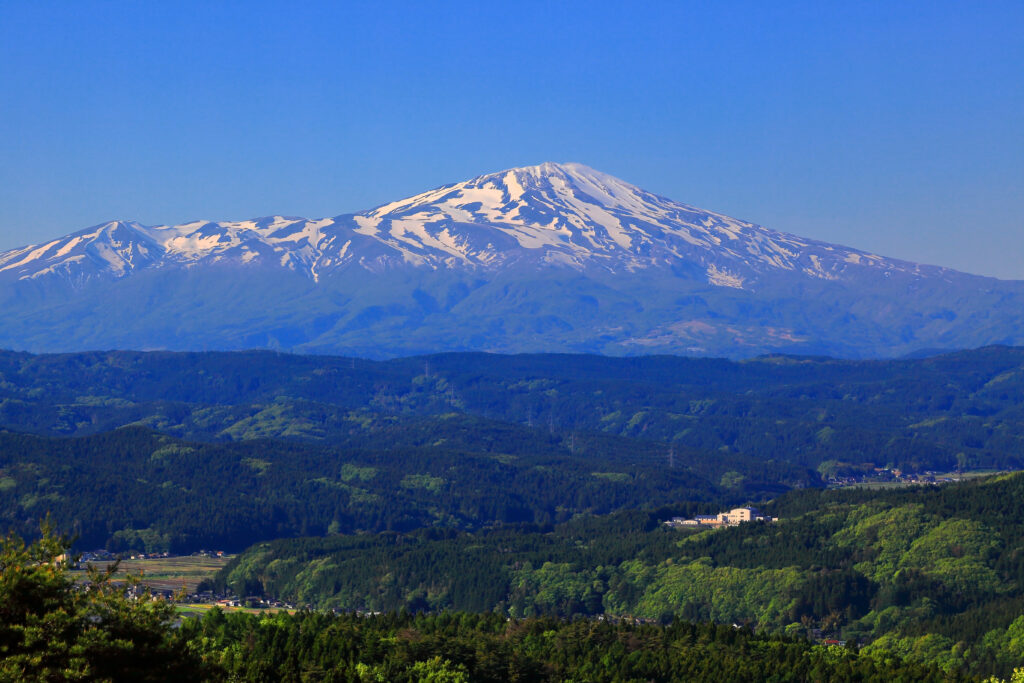
The forests and foothills surrounding Mount Chokai are particularly favourable for observing Northern Goshawks, Eurasian Sparrowhawks and Oriental Honey Buzzards.
Whether you are an experienced birder or simply enjoy watching birds in the wild, Mt. Chokai area offers exceptional opportunities to discover some of Japan’s most impressive raptors throughout the year.
The Chokai Inuwashi Mirai center in Sakata city displays an extensive collection about raptors in the region and can also provide information about raptor-watching excursions.