

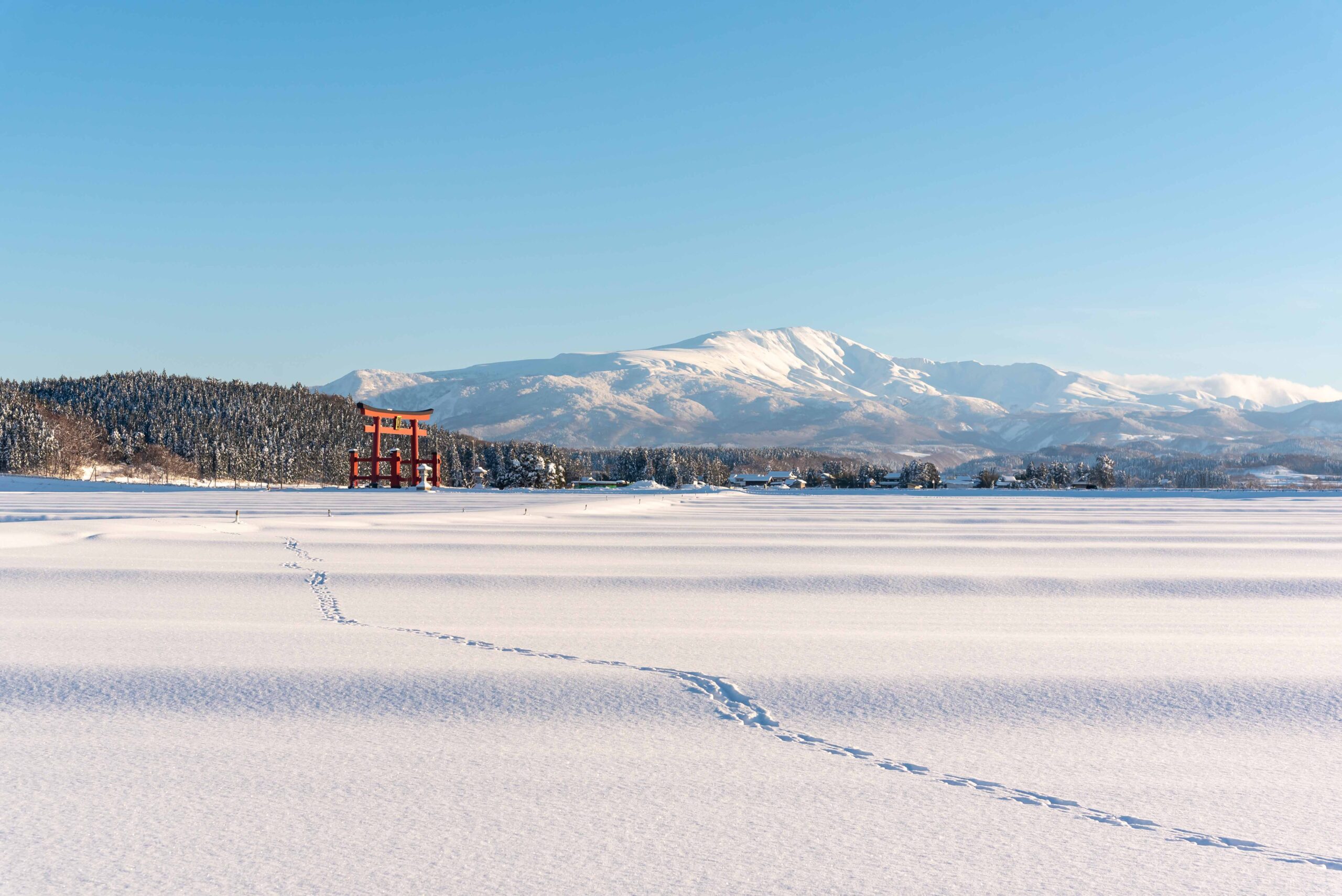
10 best snow spots in Tsuruoka city to experience winter in Yamagata in 2025-2026
Winter is just around the corner in Tsuruoka!
The first snowfall has already arrived, and soon the city will be covered in a beautiful blanket of white, usually from late December to late February.
Mt. Gassan, the highest of the Three Sacred Peaks of the Dewa Sanzan, plays a unique role in shaping our winter climate. As cold winds travel from Siberia across the Sea of Japan, clouds collide with Mt. Gassan and break apart at its peak, releasing enormous amounts of snow over the surrounding areas in Yamagata Prefecture, including Tsuruoka City, Nishikawa Town, and Shonai Town.
And so begins the winter season: quiet, pristine, and full of adventure.
Time to go on a snow hunting adventure!
1. Mt. Haguro’s Otorii
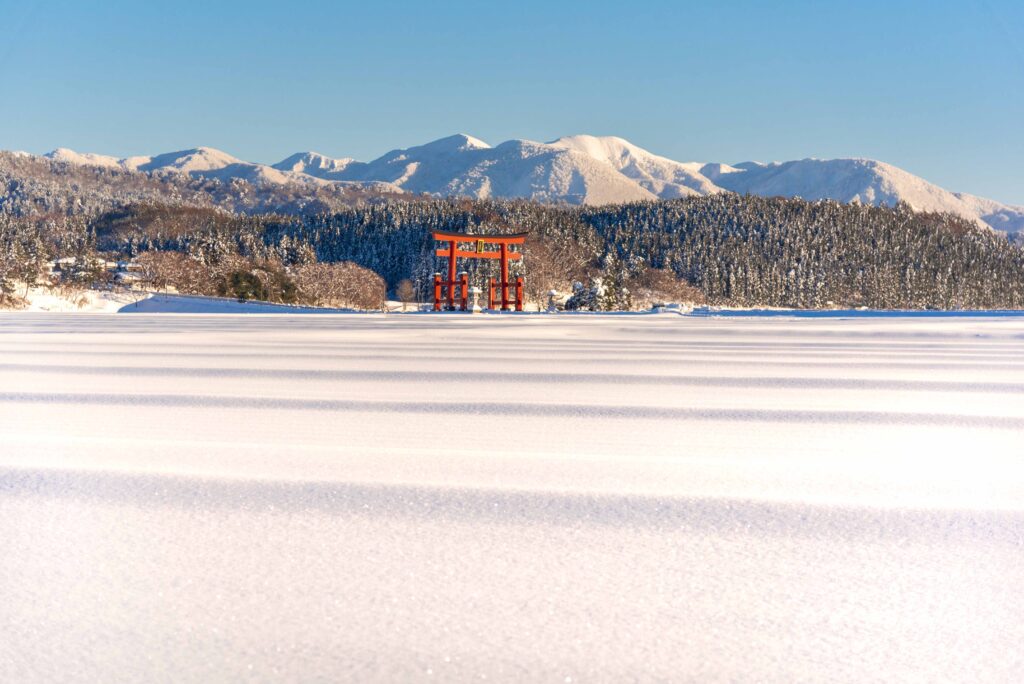
Tsuruoka’s most scenic spot might be the Hagurosan Otorii, located at the foot of Mt. Haguro. This impressive torii gate marks the entrance to the Toge neighborhood in the Haguromachi suburb of Tsuruoka City. There are many angles from which you can capture beautiful photographs; whether with Mt. Gassan rising in the background or framed by the serene surroundings of Mt. Haguro.
How to get there:
Take the bus bound for Haguro / Gassan Hachigome and get off at either Otorii or Ishinoyakata Sunroadmae. (bus timetable)
Best time for snow photography:
From late December to late February (conditions vary from year to year).
What to do in the area
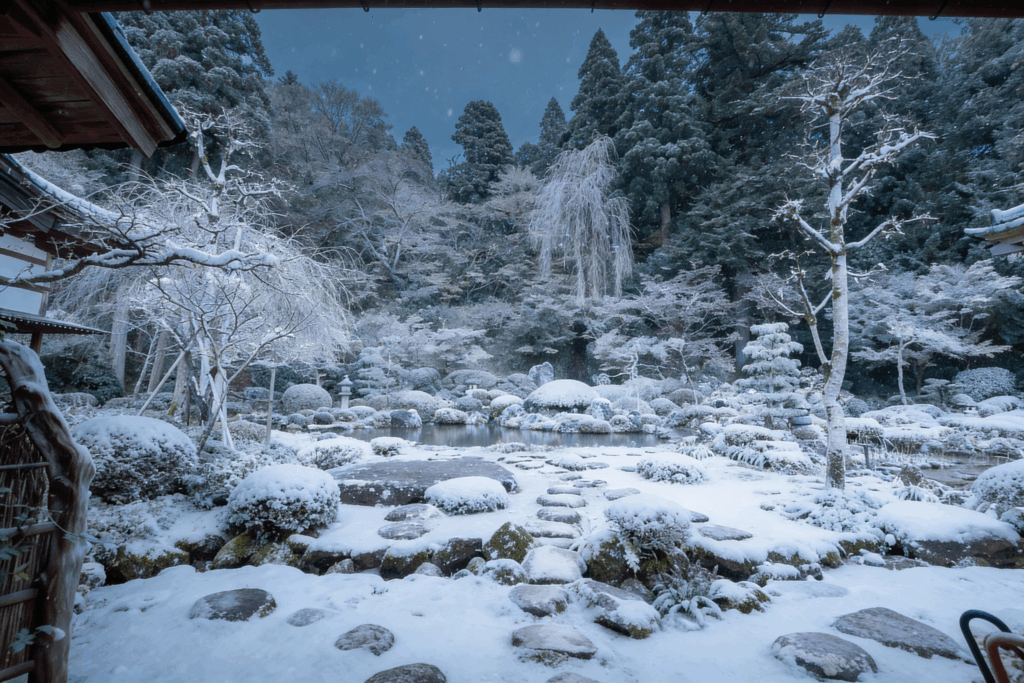
Visit Gyokusenji Temple
This Soto Zen Buddhist temple was built in 1251 by Dogen’s disciple Ryonen Homyo Zenshi. Its gardens, built in 1450 but reformed in 1650, are listed as a National Scenic Place of Beauty.
Entrance fees: 500 yen/adult.
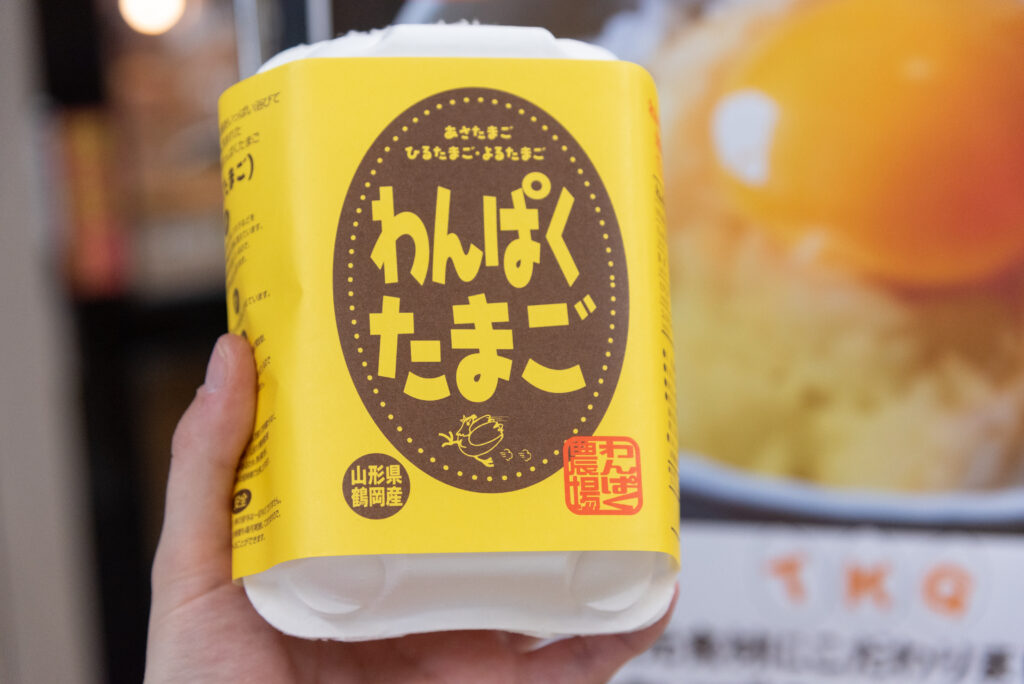
Buy Wanpaku eggs
Given space to move freely year-round in open, well-ventilated wooden barns with outdoor play areas, the chickens grow healthy and strong, beginning to lay rich, flavorful eggs at around 140 days. Chickens drink mineral-rich underground water drawn from deep beneath Mt. Gassan and are fed a carefully prepared diet of seasonal vegetables and house-made fermented feed made from rice bran, soybeans, okara, and local rice.
Business Hours 10:00 a.m. – 4:30 p.m.
(Winter season only: 10:00 a.m. – 4:00 p.m.)
Closed on
Mondays and Tuesdays (If Monday is a public holiday, the farm will be closed on Tuesday and Wednesday)
2. Mt. Haguro’s Five-Storied Pagoda
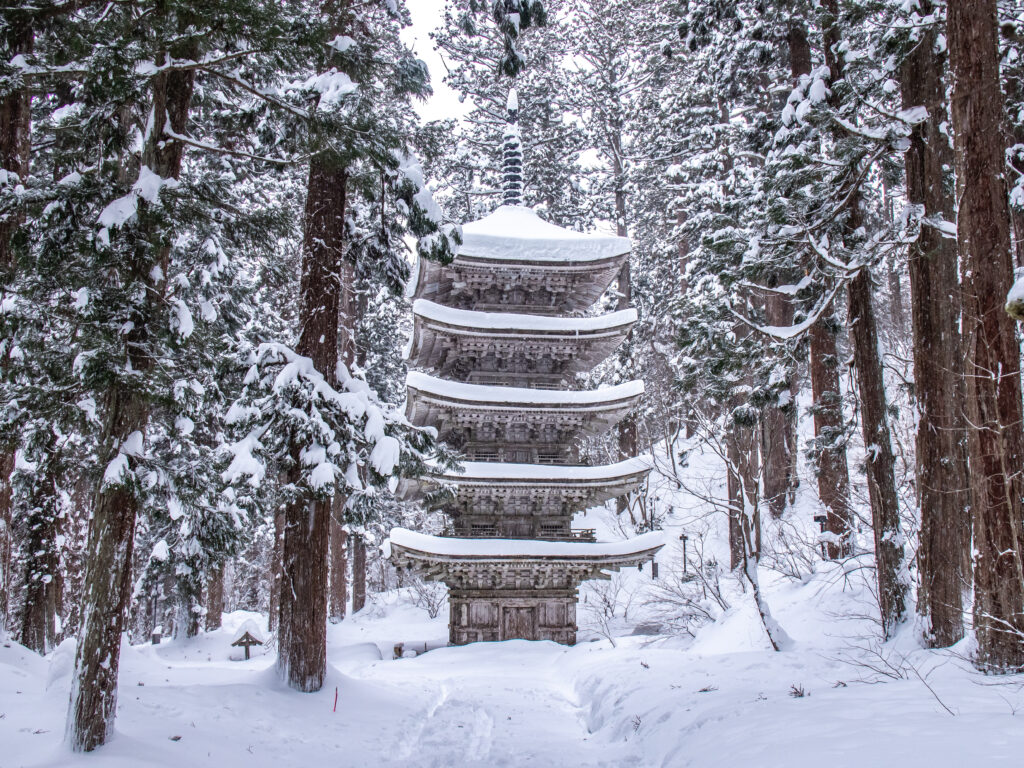
More difficult to access, Mt. Haguro’s five-storied pagoda will require you to provide a little effort before unveiling its beauty. A 25 minutes hike in the deep snow, braving the slippery stone steps and the cold, will reward you with the beautiful pagoda’s snowy view.
Please bring good snow boots and if possible, snow poles. If you don’t have snow boots, you can rent rain boots for free at the Ideha Bunka Museum.
How to get there:
Take the bus bound for Haguro / Gassan Hachigome and get off at Haguro Zuishinmon (bus timetable)
What to do in the area
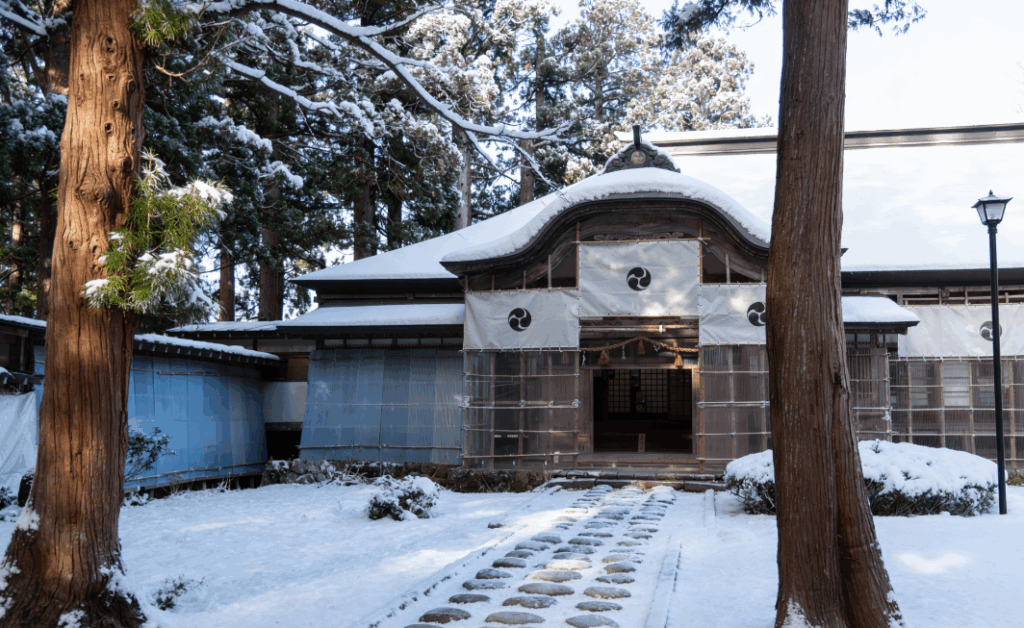
Stay at Saikan
Saikan is a Shinto pilgrim lodge and lunch restaurant located within the premises of the former Buddhist temple called Shôon’in, constructed in 1697. After the religious separation between Shinto and Buddhism in 1868 (1869 in Haguro), the building underwent conversion to Shintoism and was renamed Saikan.
Book a room here
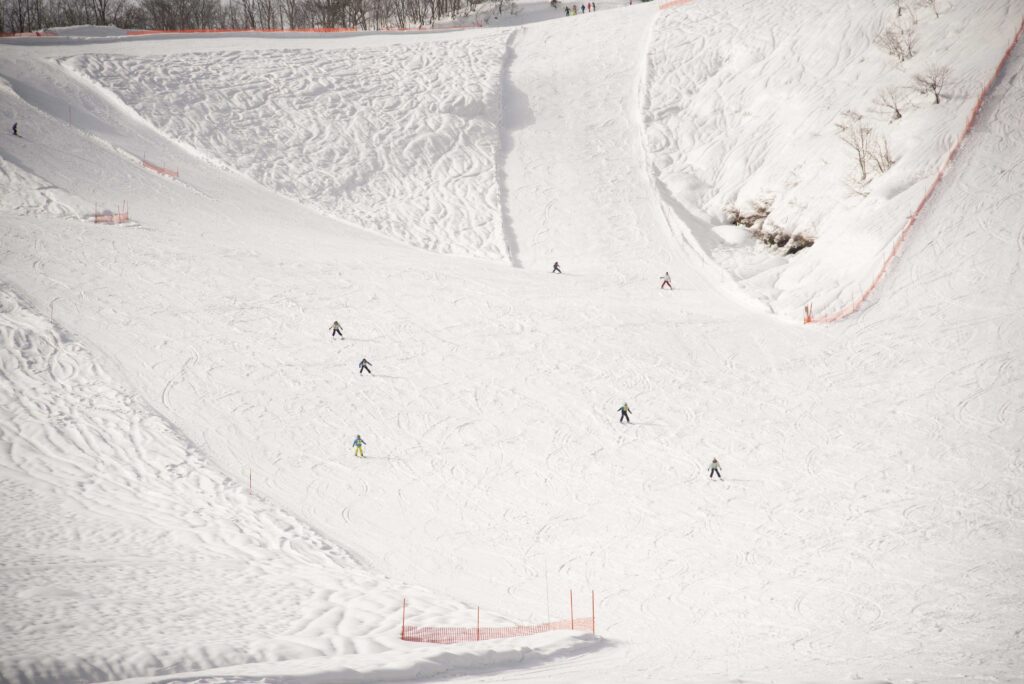
Mt. Haguro’s ski area (Hagurosan skijo)
Mt. Haguro’s ski area is easily accessible by bus. Take the bus bound for Mt. Haguro and get off at Kyukamura Shonai Haguro. (bus timetable here)
This is not a typical ski resort. It is a small-scale, quiet ski area mainly suited for beginners. While there are no on-site restaurants, ski equipment rental and ski lessons are available (lessons are conducted in Japanese).
Book a room at the ski lodge (Kyukamura Haguro)
3. Yudonosan Ski area
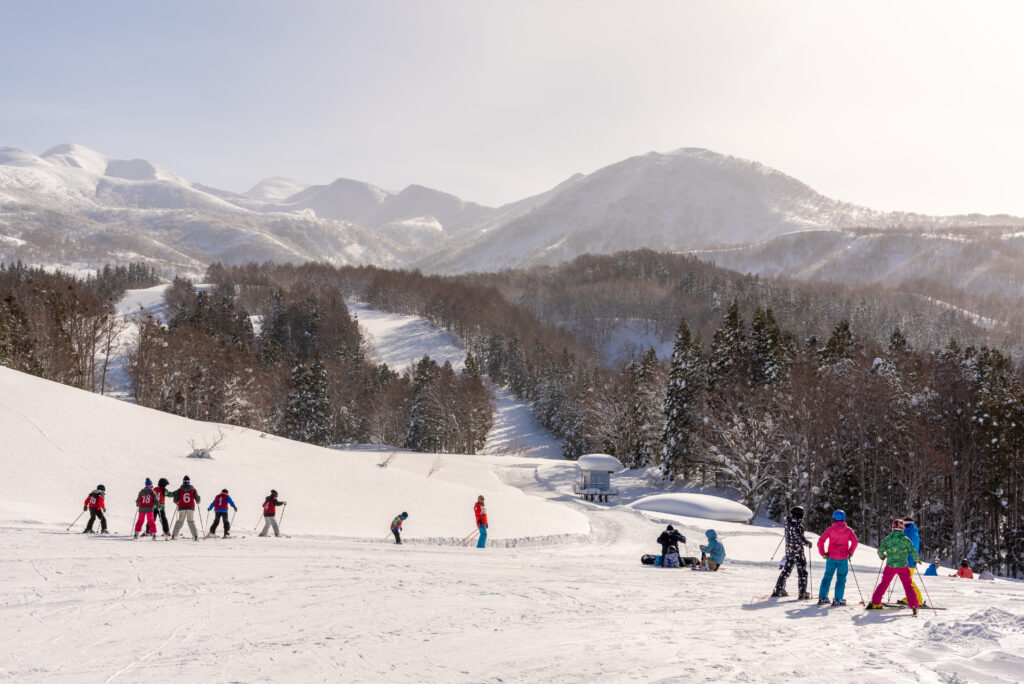
Though Mt. Yudono is closed during winter due to heavy snowfalls that would make the pilgrimage too dangerous, its surrounding ski area receives all the blessings of the snowfalls and opens from December to April. The ski area is known for its half-pipe courses designed by Jun Maruyama, a former snowboard athlete. This deems Yudonosan Ski Area the “Snowboard Paradise” title by the locals.
How to go:
No bus anymore! Go by car, or stay one night at Yasuno Ryokan and ask the owners to bring you with their shuttle bus services.
Operating Period December 6, 2025 (Sat) – March 31, 2026 (Tue)
Opening Hours 8:45 a.m. – 4:30 p.m. Hours may change depending on sunset.
Closed Days None
What to do in the area
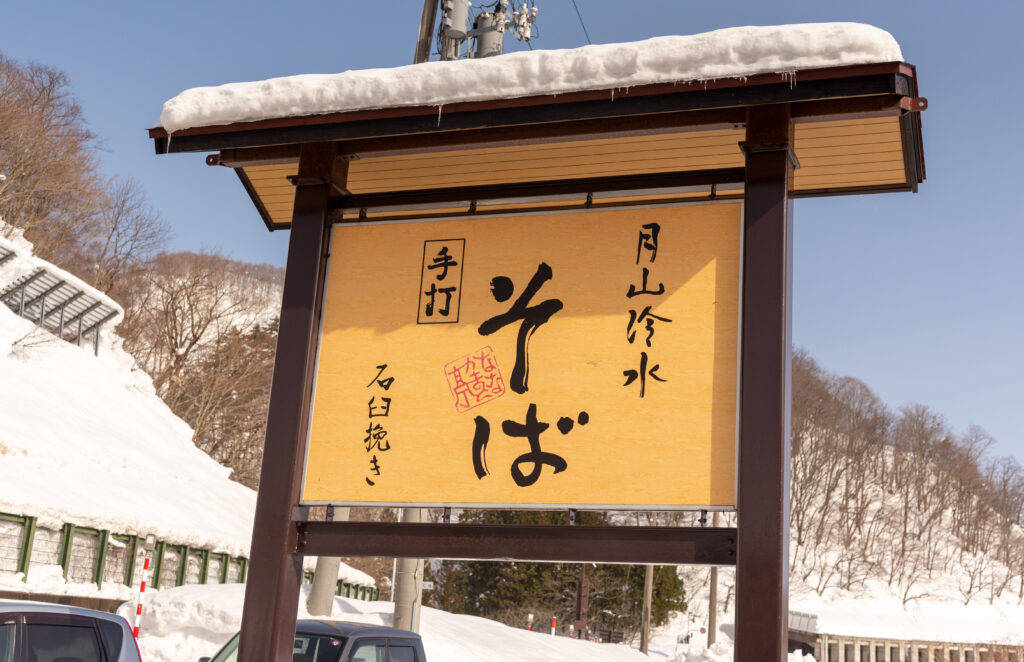
Soba noodles at Minshuku Nanakamado
Winter is the perfect season to visit the beloved Nanakamado soba restaurant in the Tamugimata area and discover the local specialty kamojiru (duck soup). Nanakamado prepares its buckwheat noodles using pure water from Mt. Gassan and serves seasonal tempura made with local vegetables.
No reservation necessary.
Closed Tuesdays
Opening Hours 11:00 a.m. – 2:00 p.m.
The restaurant closes once the soba is sold out.
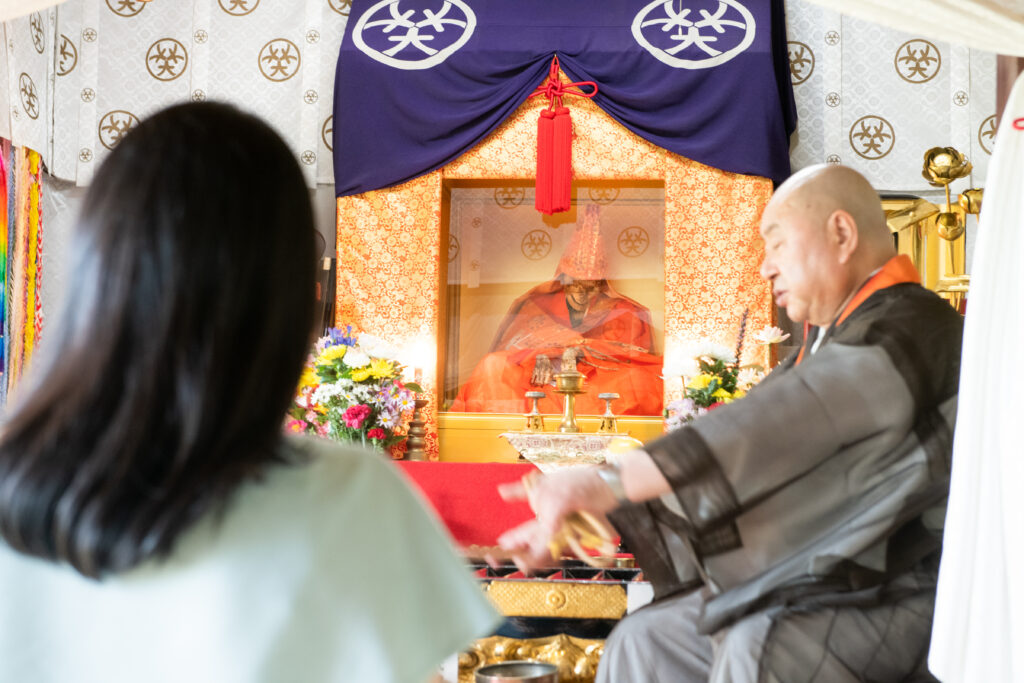
Dainichibo Temple
According to legend, this temple was founded in 807 by Kōbō Daishi (Kūkai), the founder of Shingon Buddhism. It is home to the mummified monk Shinnyokai, preserved since 1786, whose path to monkhood remains disputed between temple tradition and scholarly accounts. The temple also houses numerous Buddhist statues, relics of the Tokugawa family, and the ancient cedar Odan no Sugi, estimated to be over 1,800 years old.
Opening Hours 9:00 a.m. – 4:00 p.m
Entrance fees: 800 yen/adult
4. Tsuruoka Park
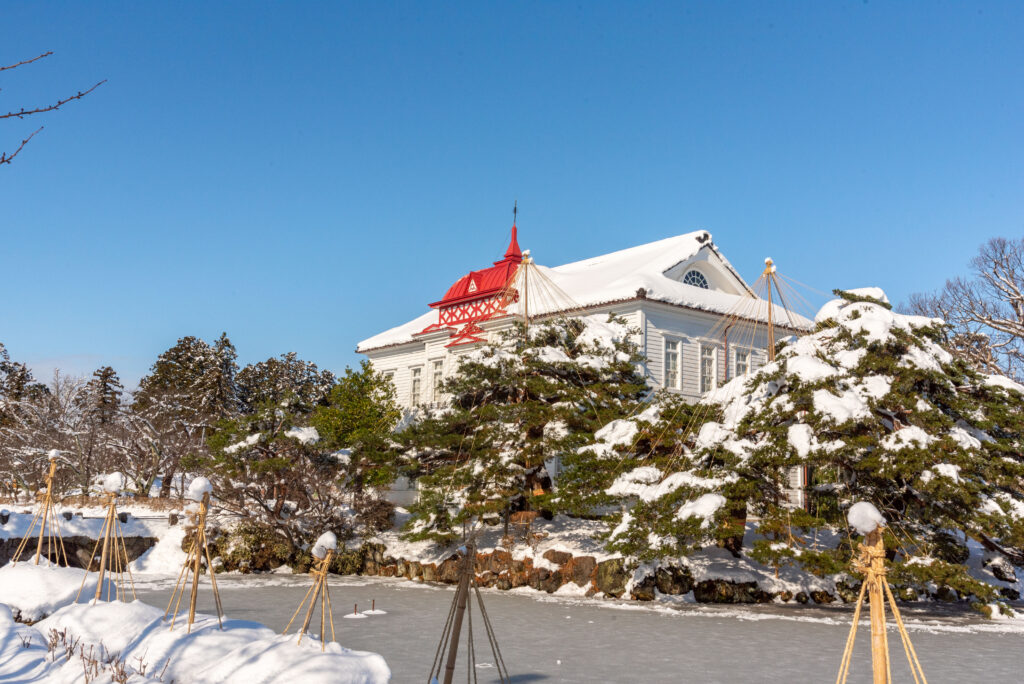
Tsuruoka Park, more easily accessible from the station than the places above, still has a few sights to discover under the snow. The Taihokan Museum, which displays (in Japanese) the many important figures of the region will stand out with its bright red roof, the Shonai Shrine, which enshrines the lords of the Sakai family as the region’s protector gods and its wooden buildings, the Chido Museum with its former blue police station, all of those form a beautiful sight under a white blanket of snow.
How to go:
Take one of the many buses that go to downtown Tsuruoka and get off the bus at Chidohakubutsukan.
(Are you lost? Come by our Tourist Information Center in front of the station!)
Warning:
Many of the establishments in Tsuruoka (museums, art galleries, restaurants, etc) will be closed for the End of the Year/New Year celebration period (traditionally spans from December 29th to January 4th). However, most shrines and temples will be open.
What to do in the area
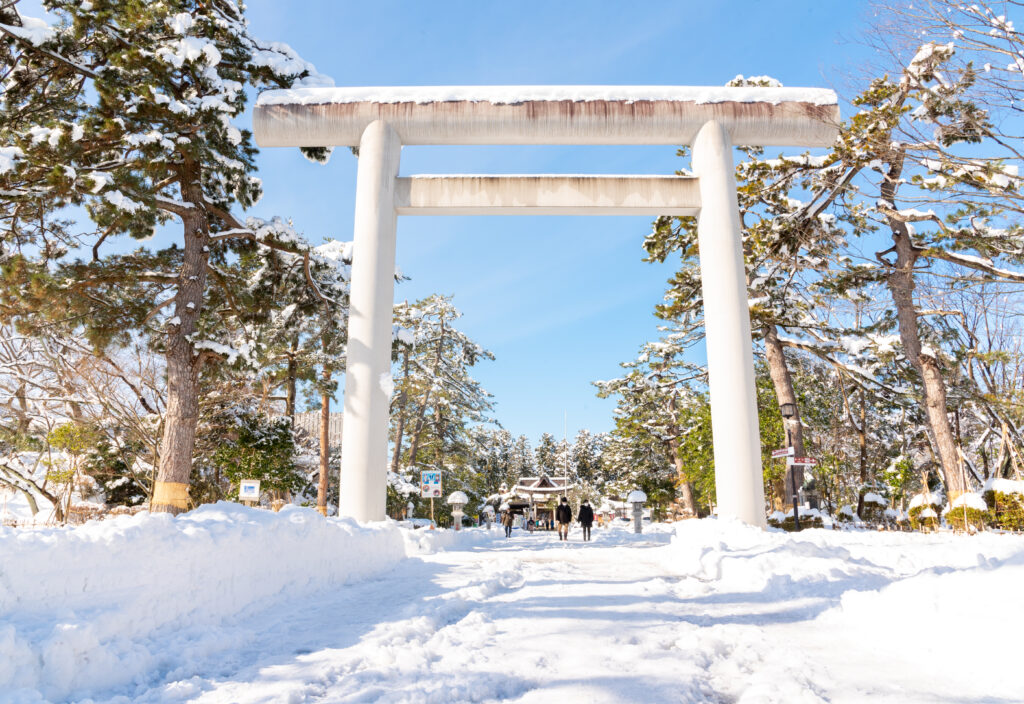
The Shonai Shrine (Shonai-jinja)
Located in Tsuruoka Park on the former site of Tsurugaoka Castle, Shonai Shrine was established in 1877 to honor the Shonai Clan, led by the Sakai family. The clan played a key role in developing the region and is remembered for its loyalty and resilience, surrendering last during the Boshin War.
Opening Hours 9:00 a.m. – 4:00 p.m.
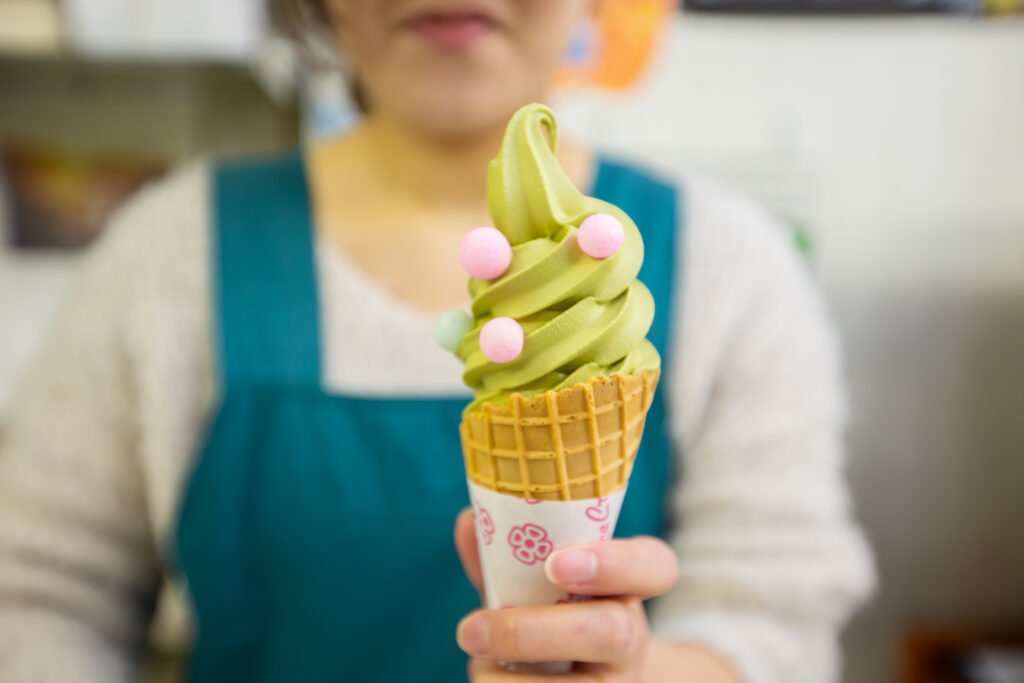
Matcha treats & drinks at Ogawaen
After a long walk along the snowy paths around Tsuruoka Park, warm up and recharge with Ogawaen’s matcha drinks, such as matcha lattes and teas, along with sweet treats like ice cream, crepes, and parfaits. The cafe is located at the back of the tea shop.
Opening Hours
Weekdays: 11:00 a.m. – 6:00 p.m. (Last order 5:00 p.m.)
Weekends & public holidays: 10:00 a.m. – 6:00 p.m. (Last order 5:00 p.m.)
Closed Wednesdays
5. Zenpoji Temple
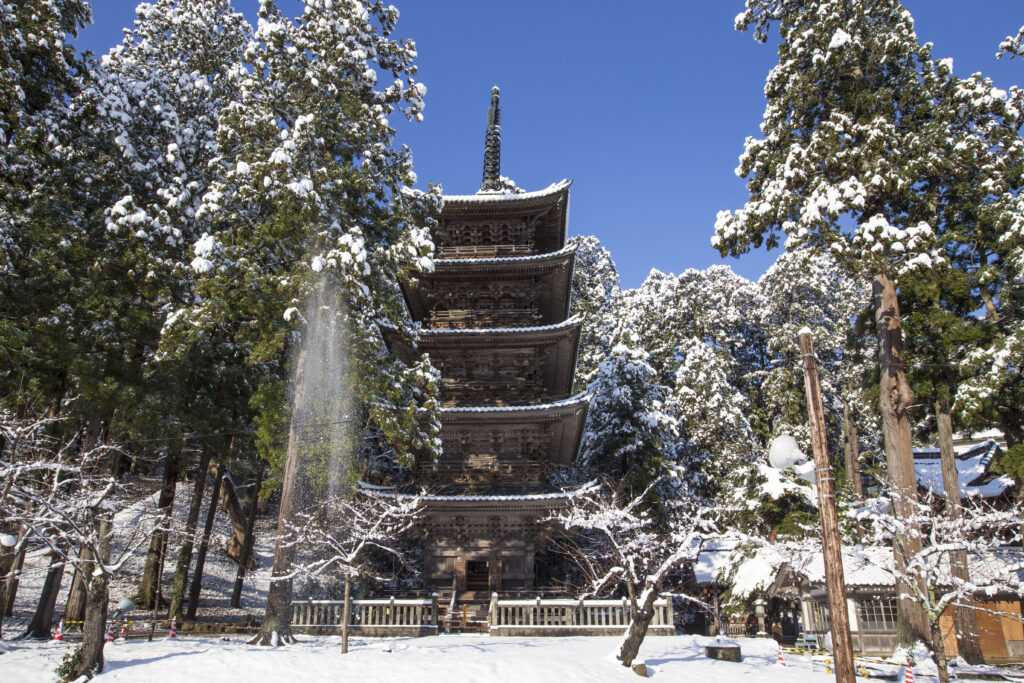
Ryuoson Zenpoji is one of Japan’s three main Soto Zen temples and one of northern Japan’s oldest dragon-worshipping sites. Founded in the 10th century and later converted to Zen Buddhism, the temple has long been revered by fishermen and sailors who pray to the dragon god, a deity associated with water, protection, and prosperity. Zenpoji also flourished during the Kitamaebune maritime era, and today is best known for the Gohyakurakan-dō, which houses 531 expressive statues of Buddhist arhats, created as objects of prayer and remembrance. In winter, the whole precincts gets covered in a thin veil of snow.
How to go?
Take the bus bound for Yunohama Onsen via Zenpoji, get off at Zenpoji. (bus timetable here)
What to do in the area
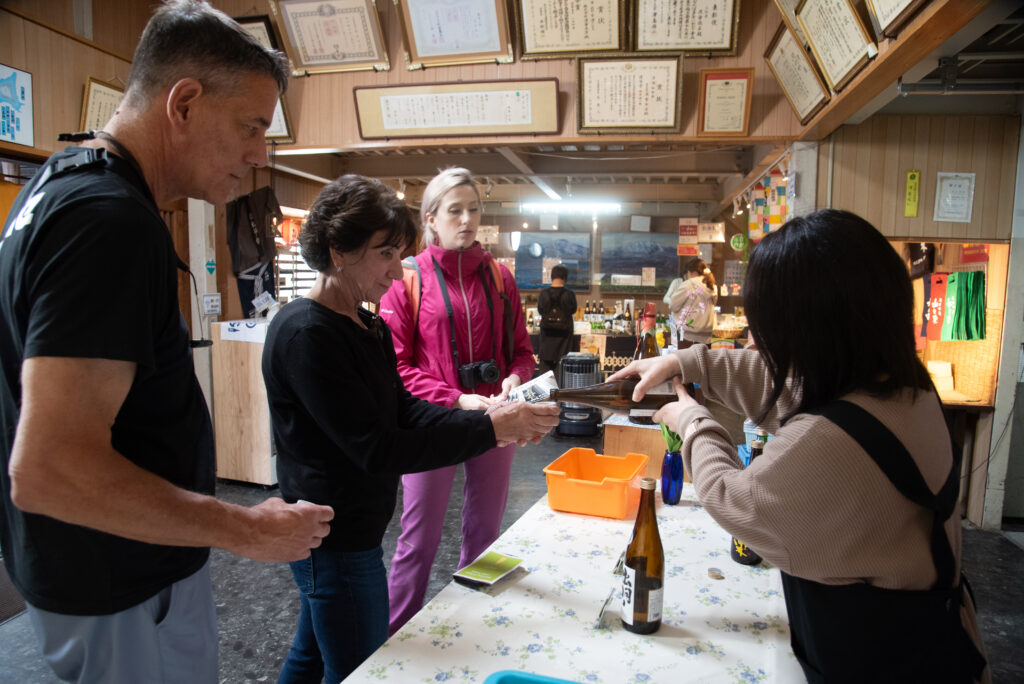
Dewanoyuki Sake Brewery & Museum
From the 17th century, Oyama flourished as a major sake-brewing town, once home to around 40 breweries under direct shogunate rule. Unlike other regions, sake production here was supported by local craftsmen—carpenters, plasterers, and other artisans—whose winter downtime fueled brewing expertise. This strong artisan culture laid the foundation for Oyama’s sake tradition, which visitors can discover today at the Dewa no Yuki Museum, ending with a tasting of three selected sakes.
Opening Hours 8:45a.m. – 4:30 p.m.
Closed From January 1st to 3rd
Entrance & tasting fees 200 yen/adult
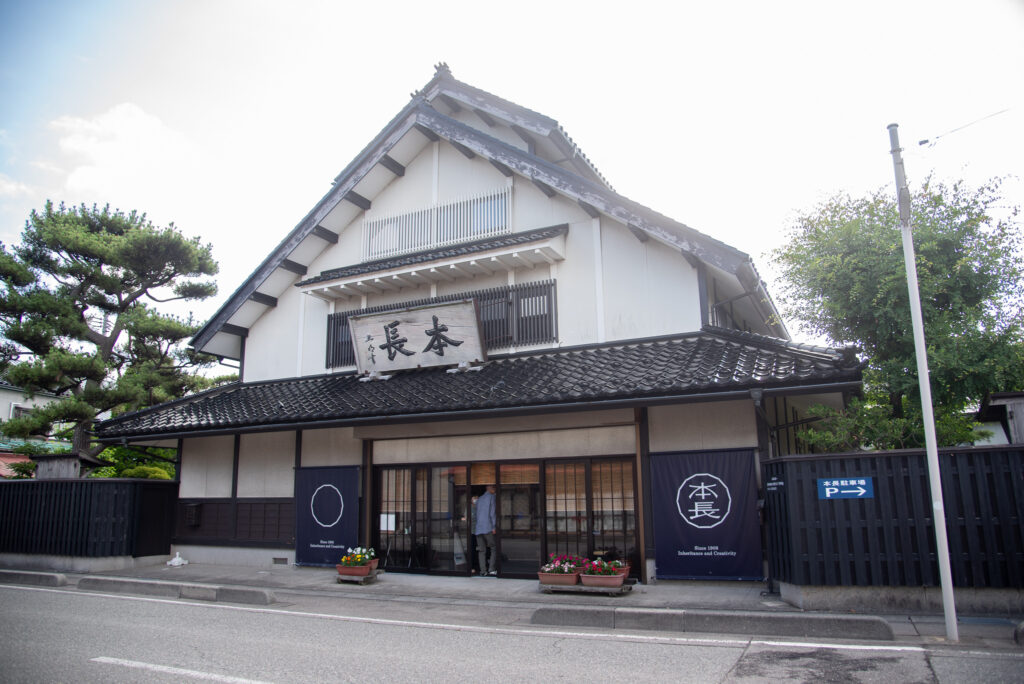
Buy some tsukemono at Oyama Honcho
While factory visits require advance reservation, Honcho’s shop is well worth a stop for its wide selection of tsukemono (Japanese pickles). Established over 100 years ago in Oyama, Honcho uses locally grown Yamagata vegetables and Shonai sake lees, continuing traditional preservation methods that have long supported Tsuruoka’s food culture through harsh winters. Rooted in local agriculture yet open to innovation, its pickles reflect both regional heritage and Tsuruoka’s status as a UNESCO Creative City of Gastronomy.
Opening Hours 8:45a.m. – 4:30 p.m.
No closed dates
6. Yutagawa Onsen
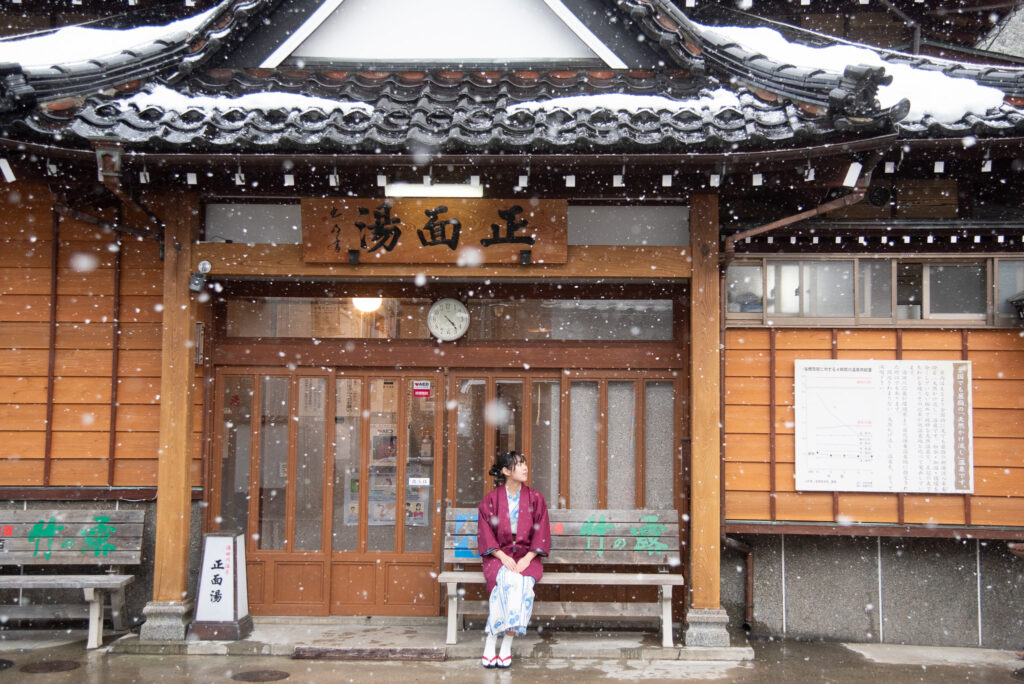
Yutagawa Onsen is a small, traditional hot spring village with legends dating back over 1,300 years. Favored during the Edo period by the Sakai lords and visited by pilgrims returning from Dewa Sanzan, it has long been a place of healing and rest. Centered around Yuzusame Shrine and its plum grove, the village offers intimate wooden bathhouses and a quiet, peaceful atmosphere, making it ideal for couples, families, and hikers exploring Mt. Kinbo and nearby hidden shrines.
Staying at a ryokan in Yutagawa Onsen during winter offers an intimate glimpse of rural Japan, where guests can enjoy the quiet beauty of the season while staying warm and comfortable in the cozy rooms of this traditional hot spring village.
How to go?
Take the bus bound for Yutagawa-Sakanoshita-Koekawa and get off the bus at Yutagawa Onsen (bus timetable)
What to do in the area
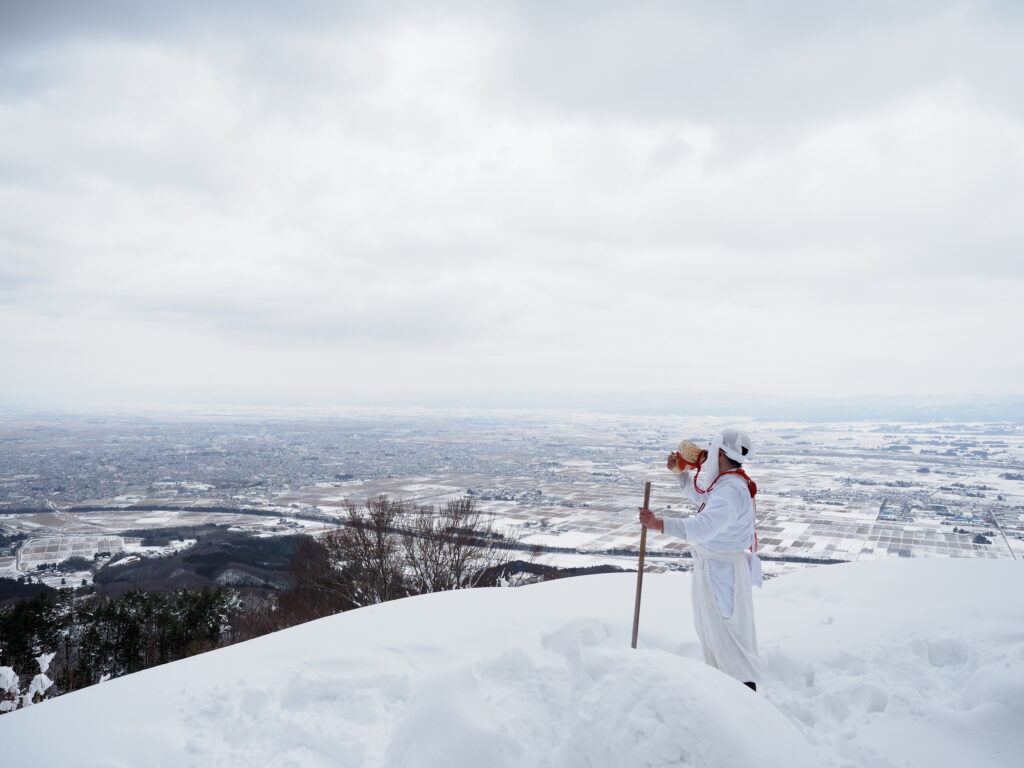
Mt. Kinbo’s snowshoe excursions
Ask priorly to your ryokan owners if you can take part in a showshoe excursions to Mt. Kinbo.
7. Gassan Visitor Center
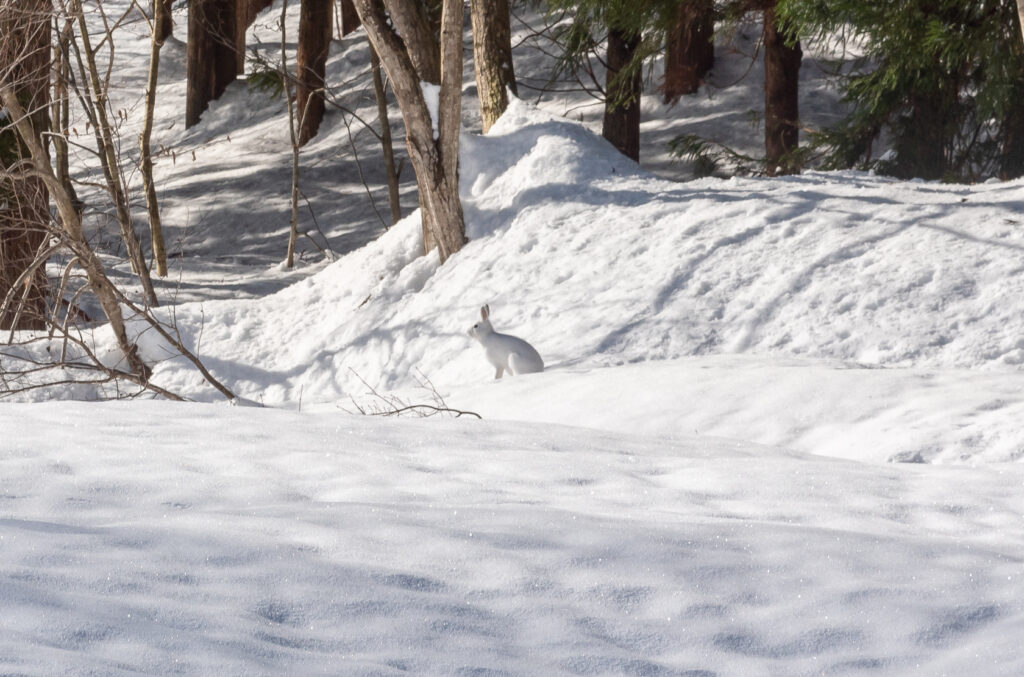
The Gassan Visitor Center, operated by the Ministry of Environment, plays a crucial role in preserving the environment, fauna, and flora of Dewa Sanzan, a integral part of the Bandai Asahi National Park. This facility offers a range of services, including information dissemination, distribution of brochures, providing timetables, guided tours, and organizing regular events such as snowshoe trekking activities and summer hikes.
During winter, when taking part in a snowshoe trekking tour, you can expect to see the wildlife around Mt. Haguro.
How to go?
Take the bus bound for Haguro-Gassan Hachigome, get off the bus at Kotakuji Visitorcentermae. (bus timetable)
8. Atsumi Onsen
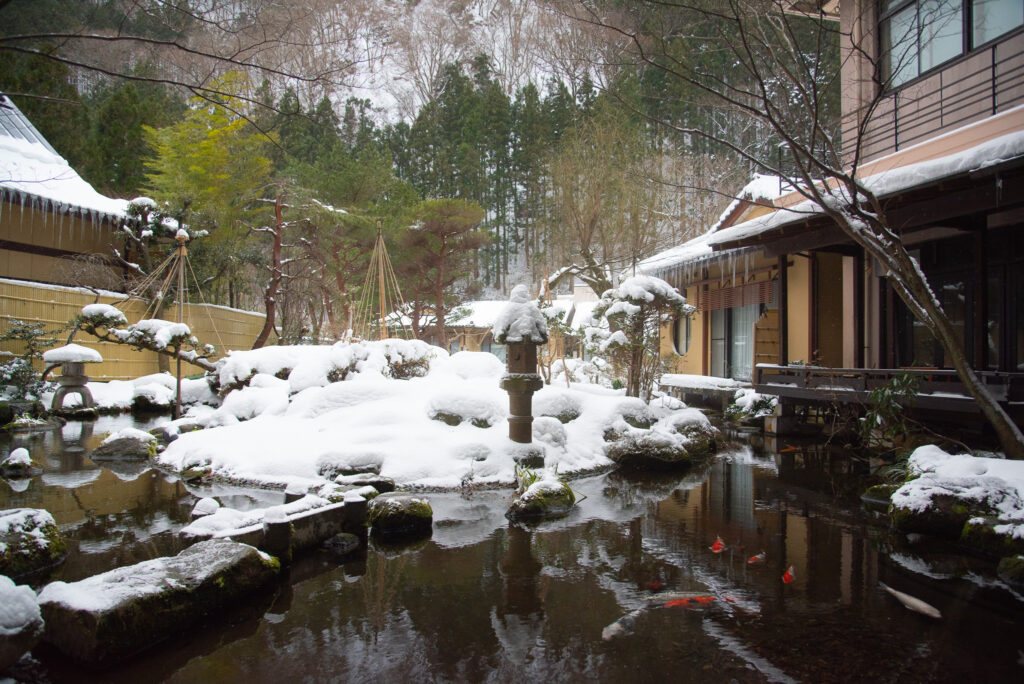
Atsumi Onsen, once beloved by nobility and commoners alike, has a rich and welcoming atmosphere. It has a long history as a hot spring resort and has left behind the warm hospitality it has extended to numerous guests in its inns and morning markets. The historic morning market offers local products like Atsumi kabu (turnips) and textiles made of tree bark (Shinaori), as well as fresh mountain vegetables.
How to go?
Take the bus bound for Atsumi Onsen, get off the bus at Ashiyu Anbeyumae (bus timetable)
What to do in the area?
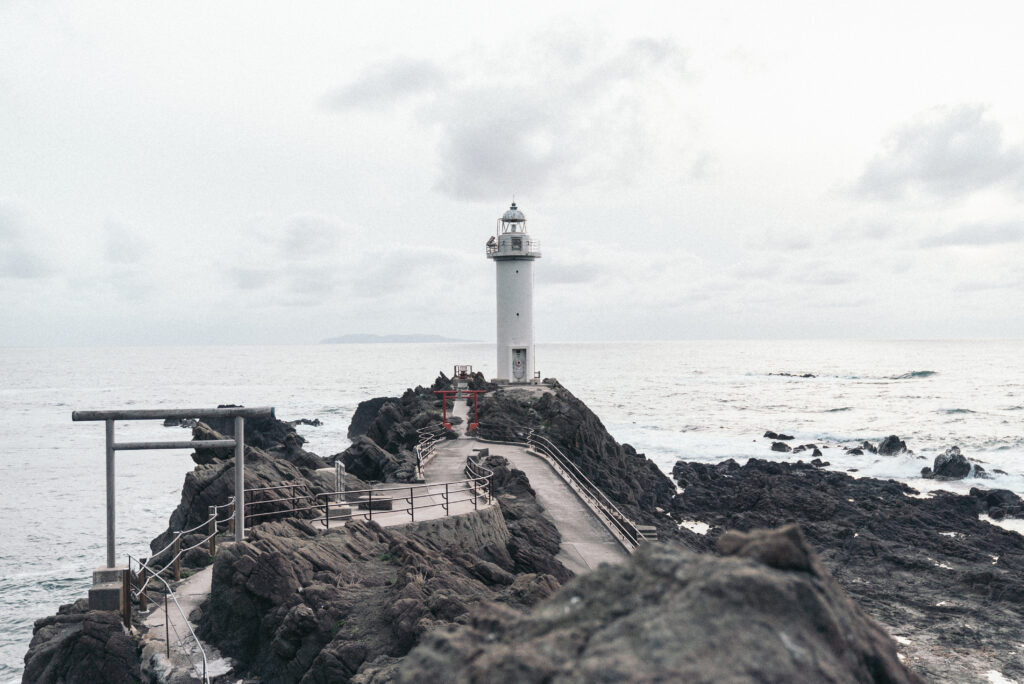
Nezugaseki’s fish auction (Nezugaseki seri)
When people think of fish auctions, they often imagine early-morning events. However, Nezugaseki stands out for its unique practice of holding auctions in the evening, in order to ship the catch in time for early-morning sales at major markets like Tokyo’s Toyosu. Another distinctive feature of Nezugaseki’s auction is its format. Here, a method called “Itazeri” is used: bidders write coded numbers (called fuchō) on a blackboard, and the highest bid wins instantly.
9. Taranokidai ski slope
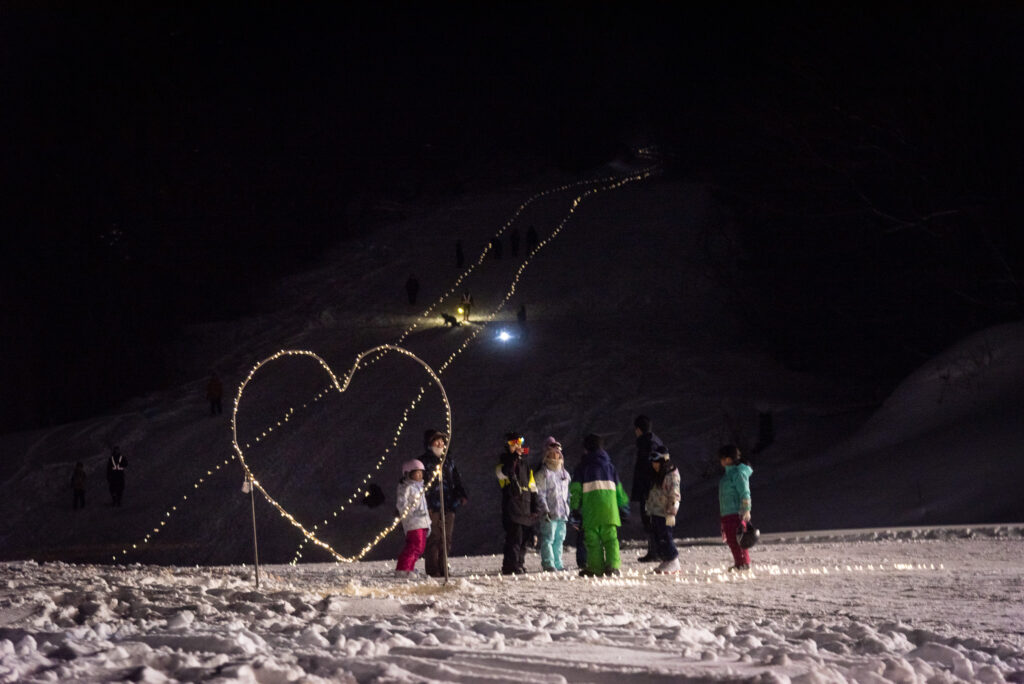
This ski area is conveniently located near the city center and is easy to access. A free sledding area next to the parking lot makes it ideal for families with young children, while the slopes offer scenic views over the Shonai Plain, especially during night skiing. Ski and snowboard rentals are available, and a relaxing stop at Kushibiki Onsen Yu~Town is a perfect way to end the day.
Open hours Weekdays: 5:00 p.m. – 9:00 p.m. (night operation only)
Saturdays, Sundays, national holidays, and year-end and New Year holidays (12/29 – 1/8): 9:00 a.m. – 9:00 p.m.
10. Fujishima Hisuka’s Illuminations
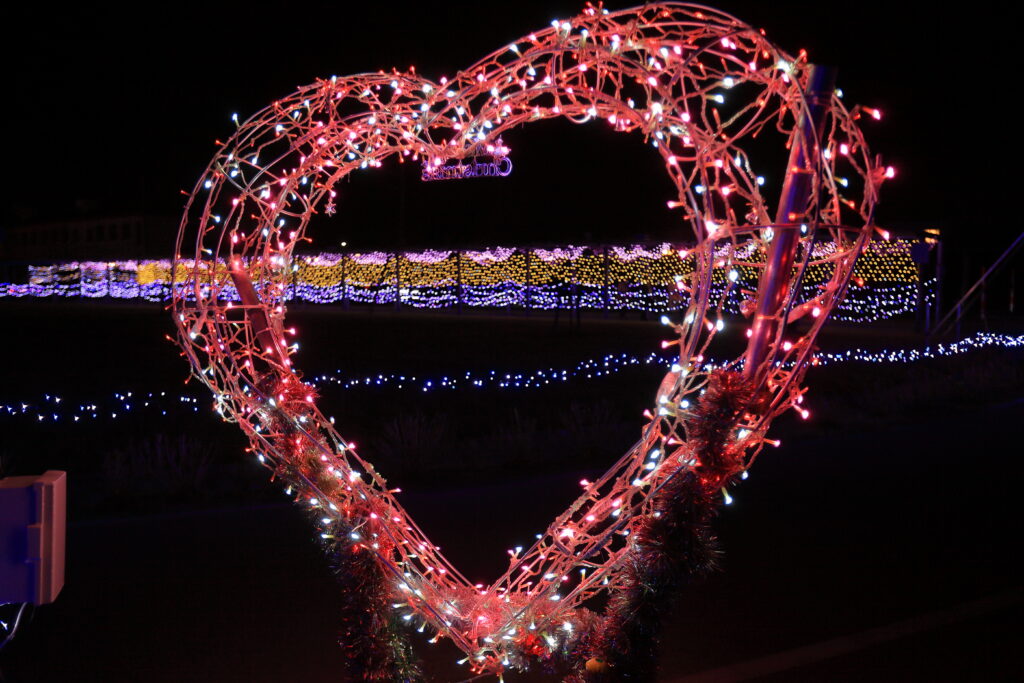
One of the largest illumination events in the Shonai region, this magical display of lights creates a dreamlike atmosphere designed to warm the heart. The illuminations are lit daily from 4:30 p.m. to 9:30 p.m. during the event period. (from 2025, November 2nd to 2026, January 12th).
Price: free of charge.
How to go
Take the local Uetsu Line train bound for Sakata from Tsuruoka station, get off the train at Fujishima station (7 minutes).
Walk 10 minutes until Fujishima Historical Park (itinerary)
Bonus:
Mt. Haguro’s Shoreisai Festival
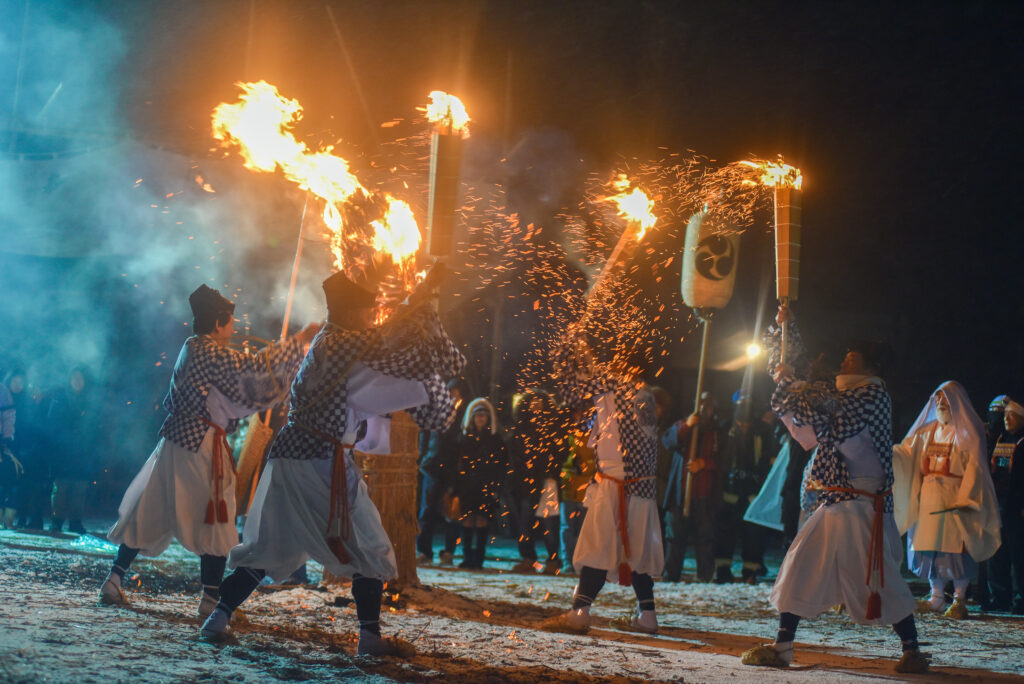
The Shoreisai (松例祭) festival is one of the most significant Yamabushi rituals of the year, held on the 31st of December annually in Mt. Haguro. The ceremonies are open for everyone to witness starting from 3pm until January 1st morning.
This festival marks the conclusion of the “winter retreat” (冬の峰入り – fuyu no mine iri), one of the four seasonal Yamabushi training sessions. During the winter retreat, a chosen practitioner of Mt. Haguro, known as the Matsu-Hijiri (松聖), retreats for 100 days in the mountains, awaiting the spirit of the goddess of cereals, Ukanomitama, to inhabit their body. The Matsu-Hijiri’s role is to protect the holy spirits of the grains and pray for bountiful harvests in the coming year.
On the night of December 31st, the Matsu-Hijiri and other Yamabushi of Mt. Haguro participate in various purifying ceremonies that extend into the next day, with the aim of blessing the crops.
Due to the potential danger of using Haguro’s stairs under snowy conditions, it is recommended to get off the bus or park your car at Haguro Sancho (羽黒山頂). (bus timetable)
Mt. Kinbo’s Snow Lantern Festival (to be announced)
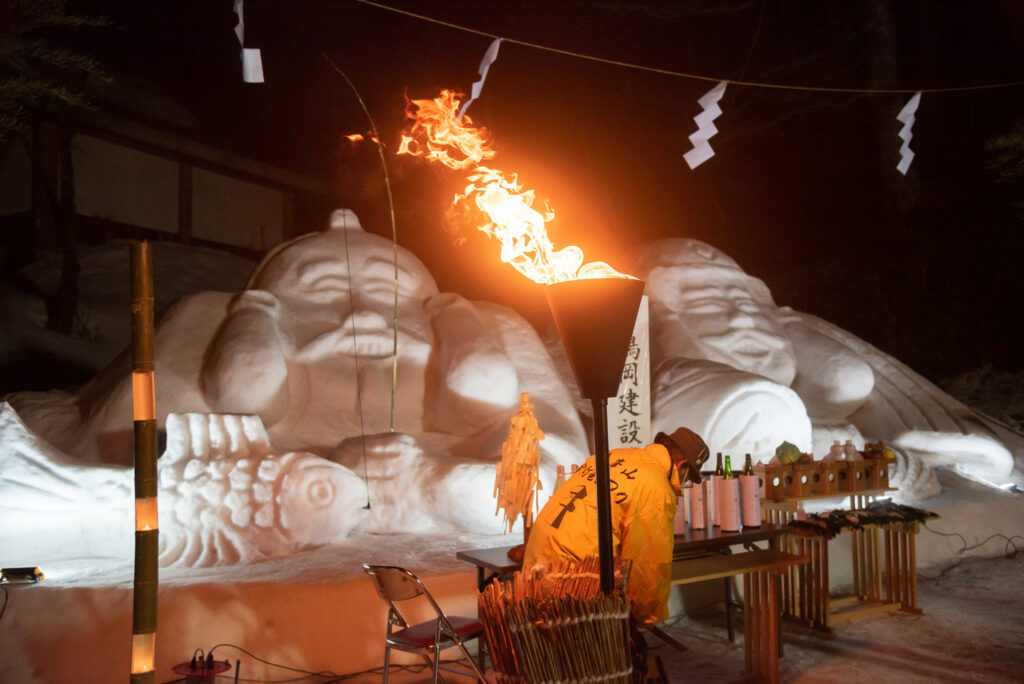
The Kinbo Mountain Snow Garden Lantern Festival marks the opening of mountaineering season in the area. Many young couples come to view the snow lanterns; the locals refer to it as a “binding” event. It is set to take place in February, yet the 2026 hasn’t been fixed yet.
How to get there?
Get to Koganedo Community Center Parking Lot by car. Park your car there, and wait for a complementary shuttle bus to bring you to Mt. Kinbo’s Nakanomiya (every hour)
Winter in Tsuruoka reveals a quieter, more intimate side of the region. From snow-covered temples and peaceful hot spring villages to small ski areas, local food traditions, and softly lit winter festivals, each snowy spot offers a chance to slow down and experience everyday life shaped by the season. Whether exploring sacred mountains, warming up in an onsen, or sharing regional flavors, Tsuruoka’s winter landscapes invite visitors to connect with nature, culture, and the rhythm of life in Japan’s snowy countryside.
We are waiting for you!