
News

Refine by date

Isagoya

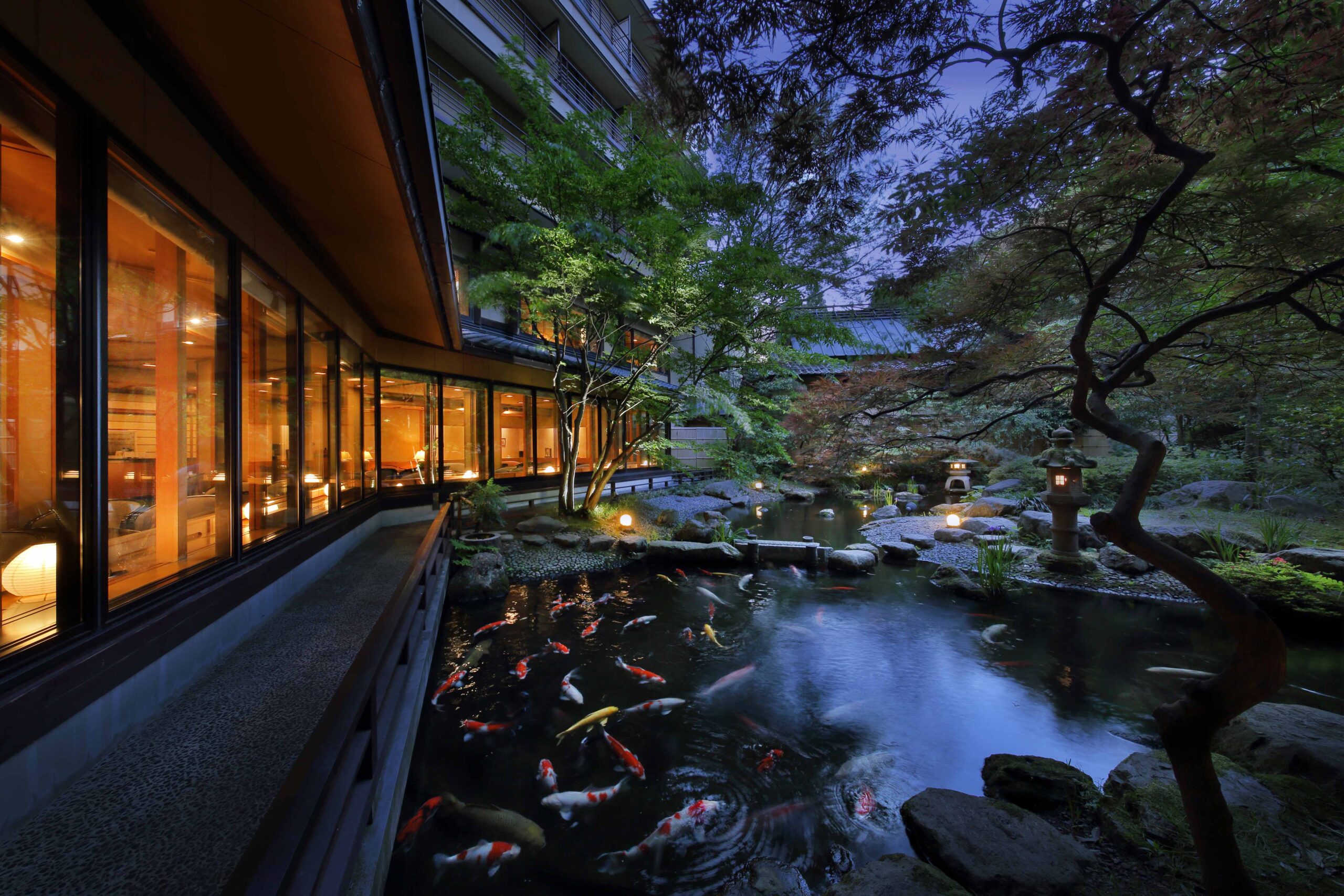
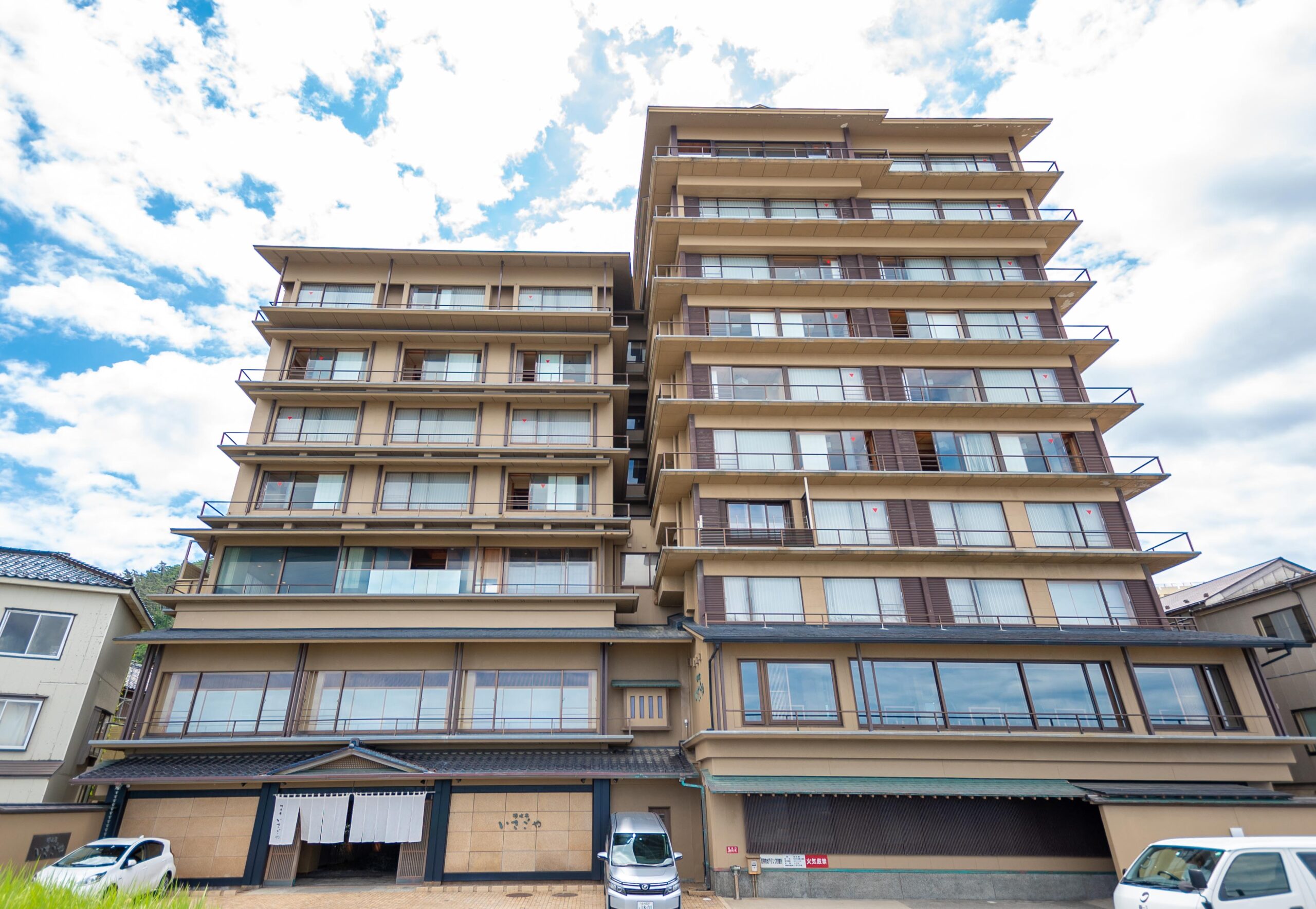
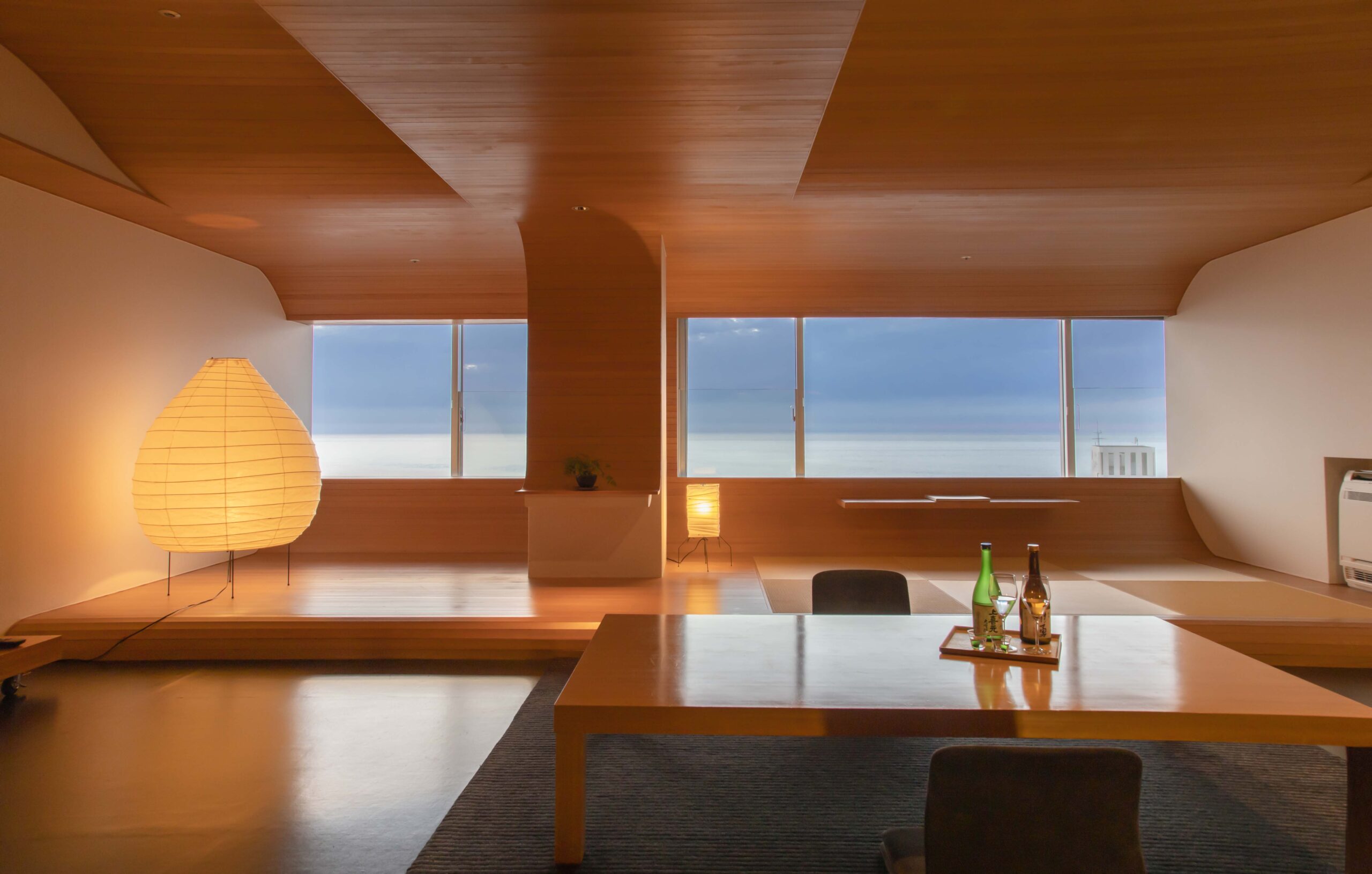
Isagoya stands as a renowned luxury onsen retreat, celebrated for its stunning rooms that offer unparalleled vistas of Yunohama’s tranquil seas. What sets Isagoya apart is its remarkable collection of Rosanjin pottery, available upon request to enhance the dining experience. Additionally, Isagoya provides the indulgence of private baths for a truly personalized and relaxing stay.

Kameya

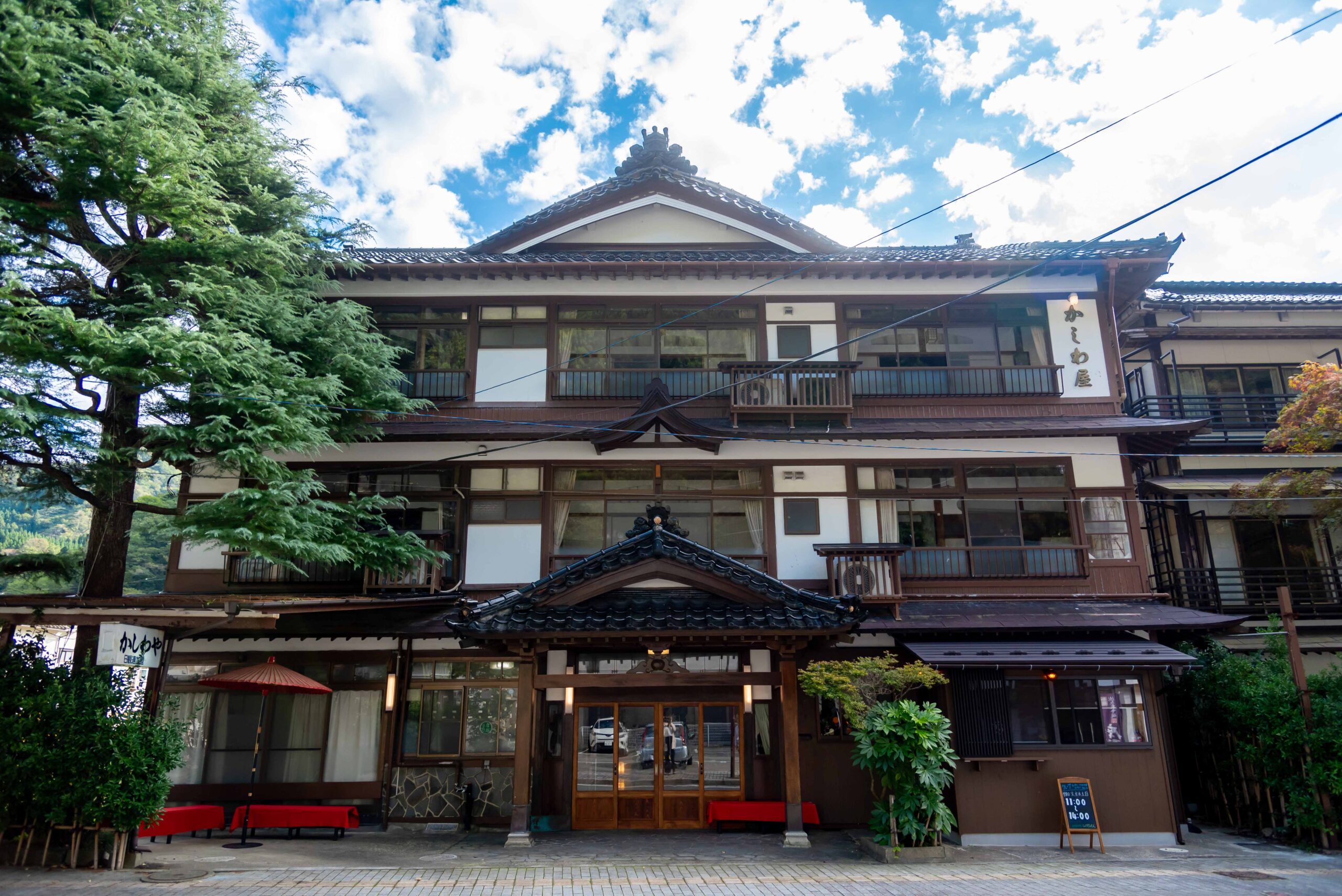
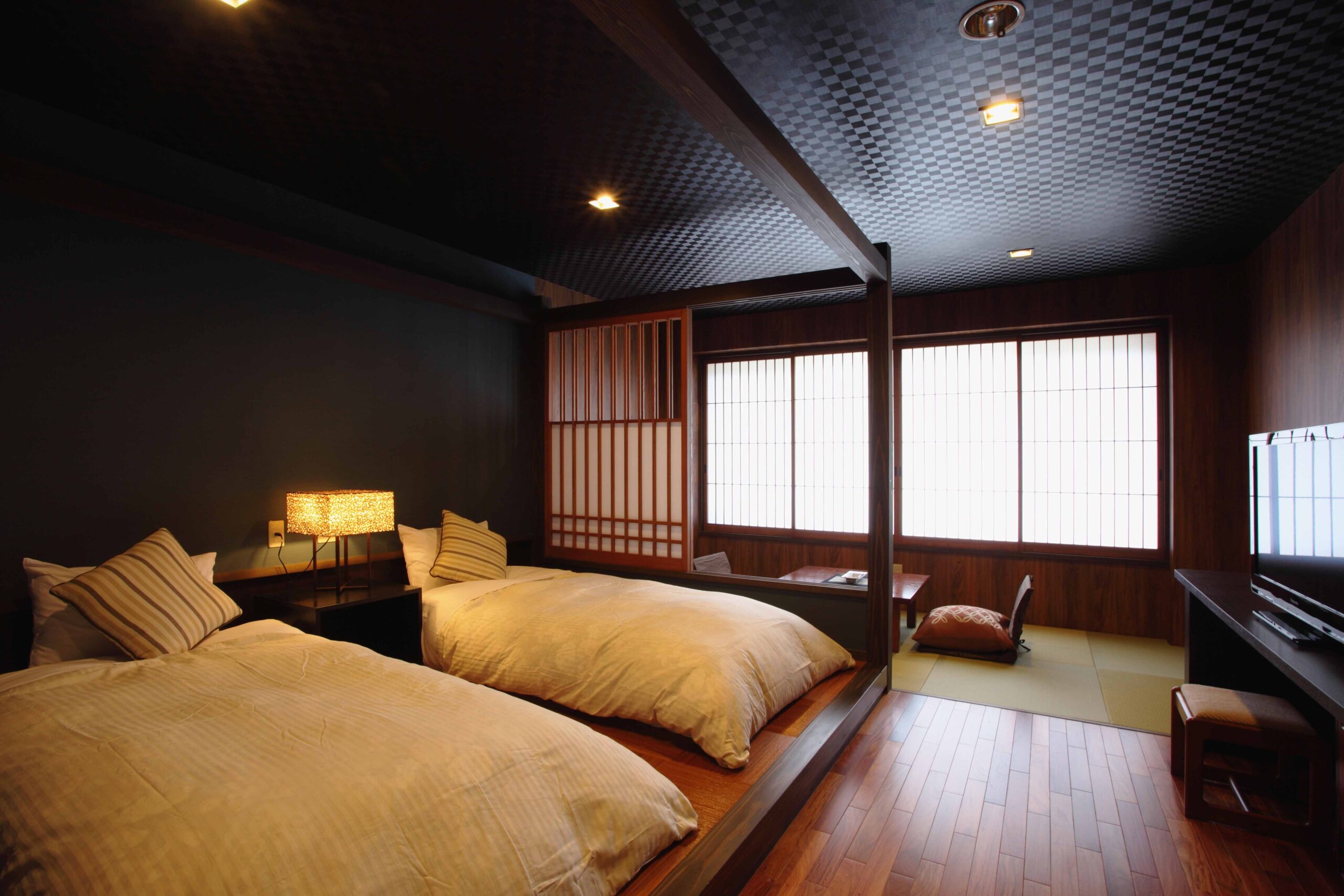
Kameya, with a history spanning more than three centuries, has been a welcoming host to visitors for many generations. Its name, “the turtle’s house,” originates from a local legend that explains the beginning of Yunohama Onsen. In this tale, a fisherman found a wounded turtle on the beach, near a natural hot spring. Remarkably, the warm waters of Yunohama Onsen healed the turtle’s wounds, giving rise to the belief in the therapeutic qualities of these waters. Kameya has also had the pleasure of hosting two Imperial couples: Emperor Hirohito and Empress Kojun, as well as Emperor Akihito and Empress Michiko. They’ve enjoyed their stay in Kameya’s luxurious suite known as “HORAI.” For those seeking more standard accommodations, Kameya offers comfortable rooms, ensuring a pleasant and memorable experience for all guests.

Yamabushi Onsen “Yupoka”

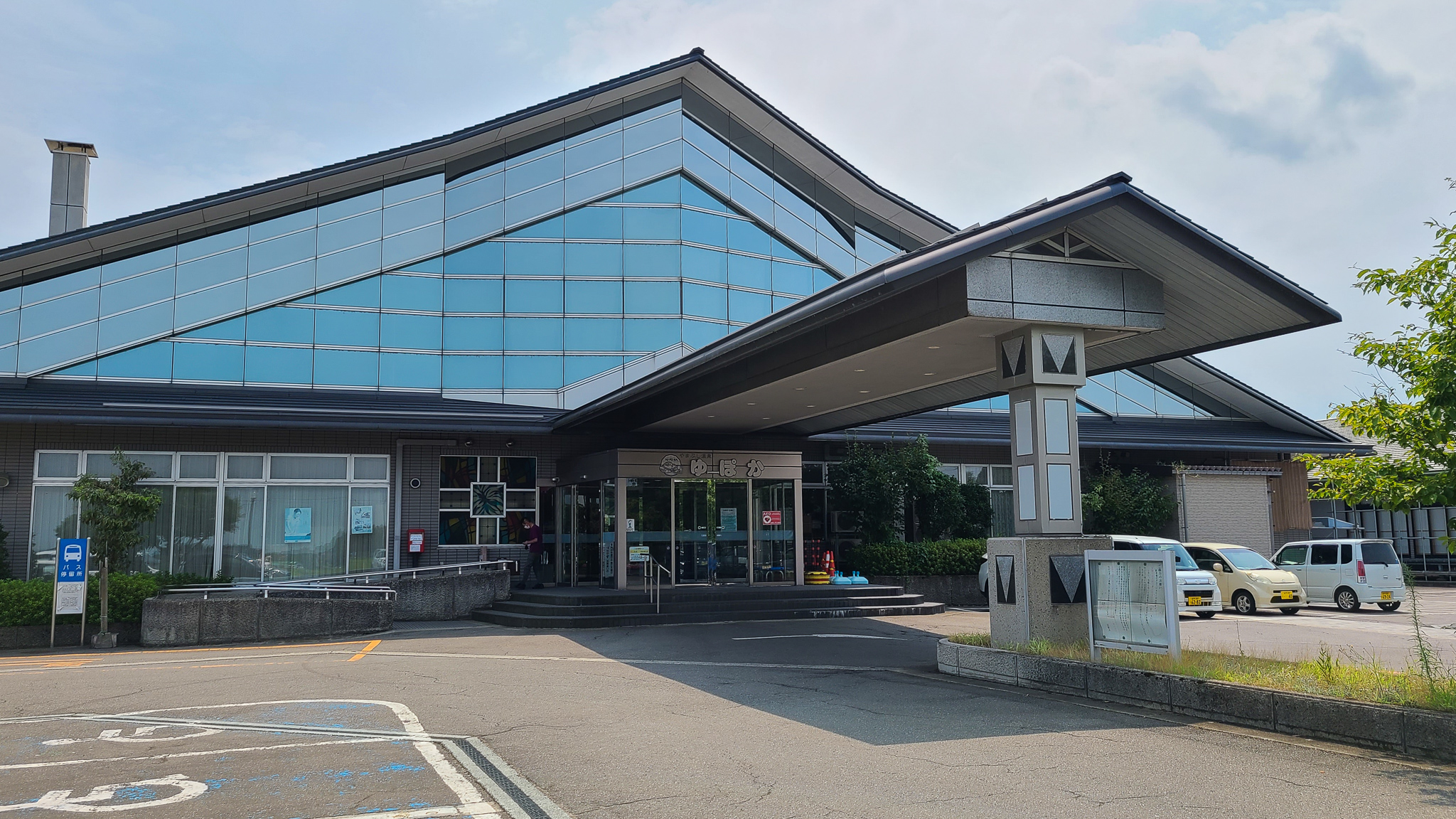
With an exterior designed to resemble the Dewa Sanzan and a lobby exuding cleanliness, our establishment offers spacious bathing areas and open-air baths. We also provide a dining area, a large hall, reserved private rooms (upon reservation), and a multipurpose room upon reservation).
● Effective on the following conditions:
● Cuts, burns, chronic skin inflammation, children with chronic fatigue/weakness, chronic gynecologic problems, neuralgia, muscle pain, joint pain, frozen shoulder, motor paralysis, joint stiffness, bruising, sprains, chronic digestive diseases, hemorrhoids, sensitivity to cold, post-illness recovery period, fatigue recovery, health promotion.

Saikan

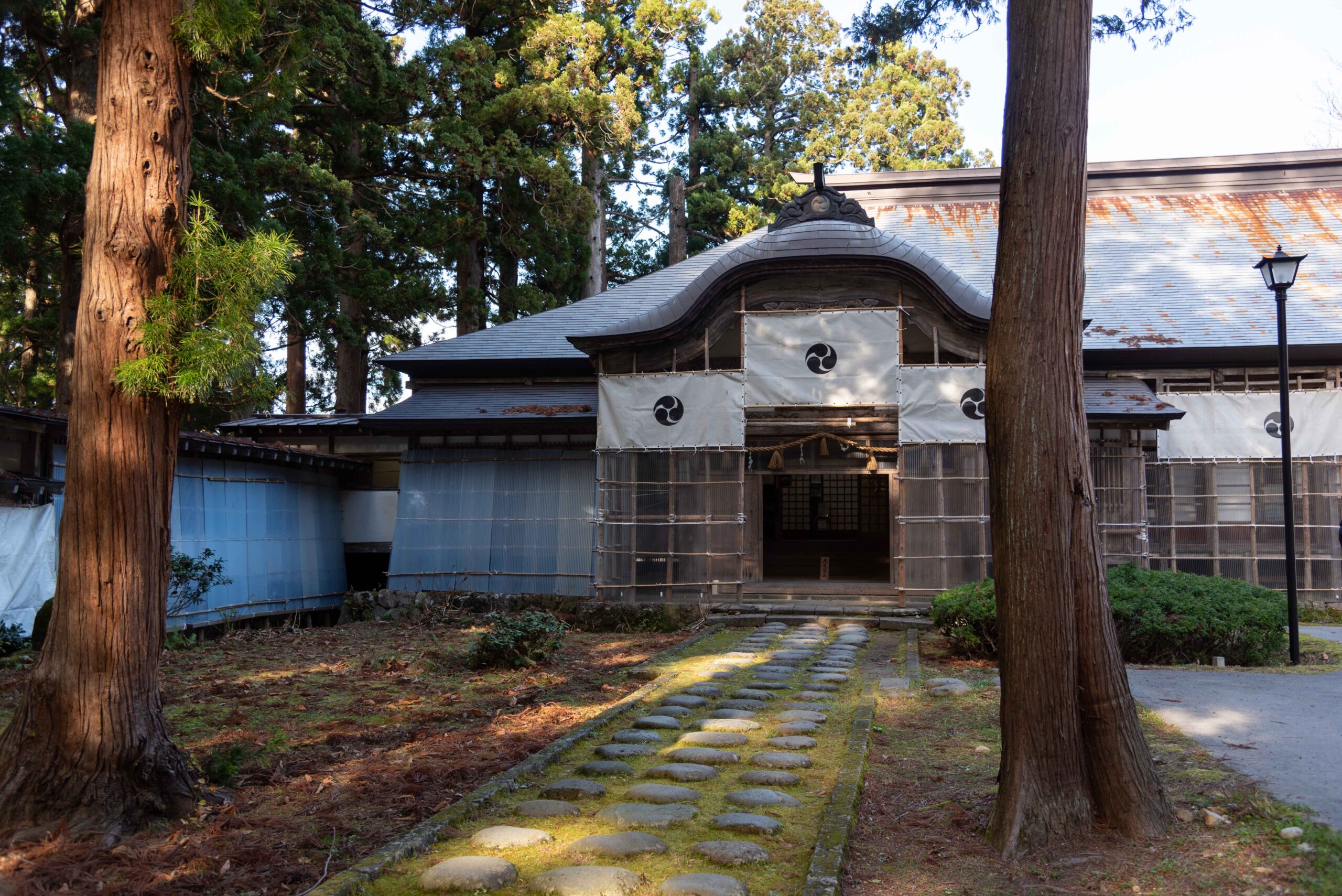
The Shintō pilgrim lodge situated atop Mt. Haguro has a rich history, once serving as a temple. Even after its conversion to Shintoism in the 19th century, Saikan continued its tradition of welcoming travelers and offering the shojin-ryori cuisine. As a significant site for Dewa Sanzan, Saikan hosts numerous religious activities, particularly during the Shoreisai festival at the year’s end. Reservations for Saikan are exclusively accepted via phone, and our team can assist you in arranging a reservation at no cost. Please reach out if you require language assistance. It’s essential to note that pilgrim lodges do not provide private amenities; instead, they feature shared bathrooms and toilets. Additionally, rooms are typically not lockable.

Yudonosan Sanrojo

Situated on the left side of the imposing torii in Yudonosan Senninzawa, this pilgrim lodge caters to visitors of Mt. Yudono. While the establishment can provide lunch to regular customers, it is advisable to make a reservation, particularly during peak seasons like weekends and Japanese holidays if you plan to dine at Yudonosan Sanrojo’s restaurant. It’s crucial to bear in mind that pilgrim lodges typically lack private amenities, featuring shared bathrooms and toilets. Additionally, rooms are usually not lockable.

Daishobo

Daishobo is a Shinto pilgrim lodge situated at the base of Mt. Haguro. Owned by Master Hoshino, a prominent figure in Dewa Sanzan’s Yamabushi community, the lodge is well-regarded. Accommodations at Daishobo feature traditional futons, and European-style beds are not provided.

Daishinbo

Situated on the left side of the imposing torii in Yudonosan Senninzawa, this pilgrim lodge caters to visitors of Mt. Yudono. While the establishment can provide lunch to regular customers, it is advisable to make a reservation, particularly during peak seasons like weekends and Japanese holidays if you plan to dine at Yudonosan Sanrojo’s restaurant. It’s crucial to bear in mind that pilgrim lodges typically lack private amenities, featuring shared bathrooms and toilets. Additionally, rooms are usually not lockable.

Kanbayashibo Katsukane

Kanbayashibo is a large thatch-roofed shukubo lodge near the Zuishinmon Gate (the entrance to Mt. Haguro). Conveniently located near the Zuishinmon and the Ideha Bunka Kinenkan bus stops, it is a good option for people who wish to stay at the bottom of Mt. Haguro. Please note that shukubo are pilgrim lodges, meaning the bathrooms, toilets and other facilities have to be shared. There is no lock on the doors.

Tamonkan

Tamonkan is a charming ryokan situated in the pilgrim lodge town of Haguro, known as Haguro Tôge. Owned by Mr. Toki, a passionate enthusiast of Dewa Sanzan and its rich history, the ryokan is not only admired for its aesthetics but also for the culinary expertise of its proprietor. Mr. Toki, with his culinary skills, is delighted to present his interpretation of the shojin-ryori cuisine during your stay.

Hagurokan

Established during the Edo Period (1604-1868), Hagurokan has been offering lodging to visitors of Dewa Sanzan for centuries. Renowned for its exceptional sense of hospitality, Hagurokan was honored with the Booking.com Travel Review Award in 2021. It’s important to note that this establishment is a ryokan, distinct from a shukubo.

(Mt. Gassan) Busshoike Goya

Busshoike-goya appears to be a versatile establishment located halfway up Mt. Gassan from Gassan Hachigome. It operates as a café during the day and transforms into a mountain lodge for nighttime accommodations. If you plan to take a break inside Busshoike Goya, it is recommended to purchase something as a gesture of appreciation for using their facilities. This practice is common in such mountain lodges and helps support the maintenance of these resting places along the trail.

Please note that this is a mountain lodge, the bathrooms and toilets have to be shared, there is no lock on the doors and the interior is rather simple.